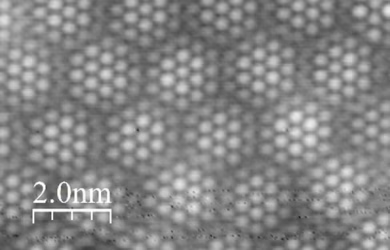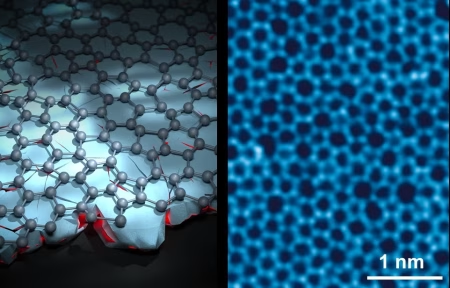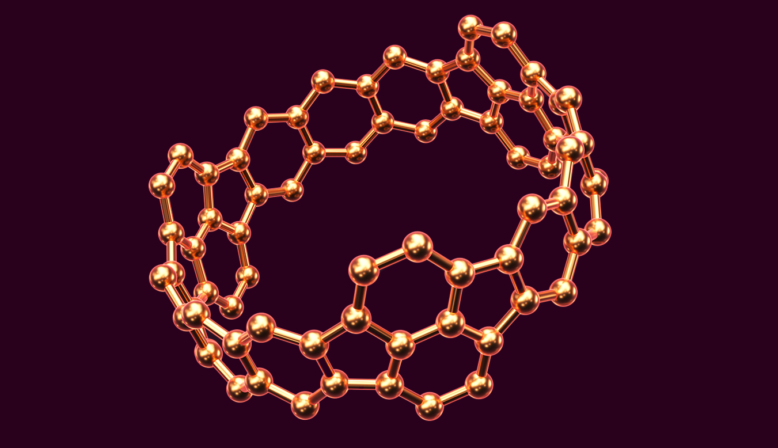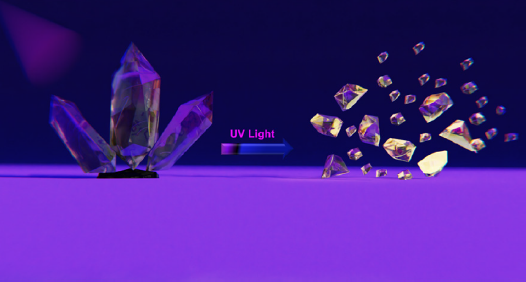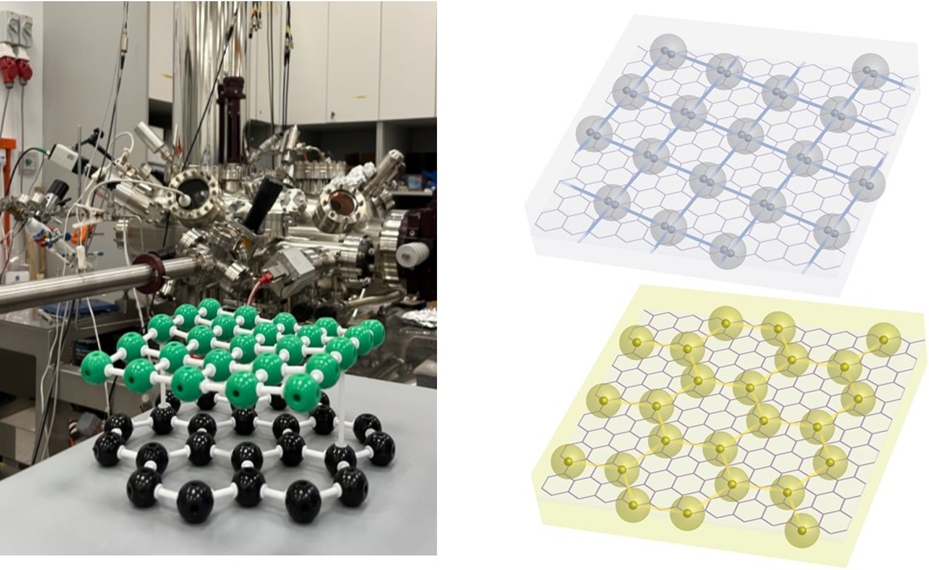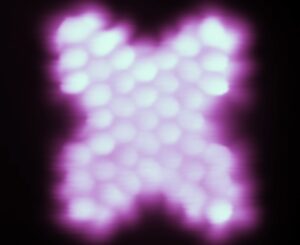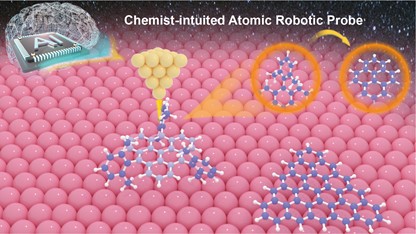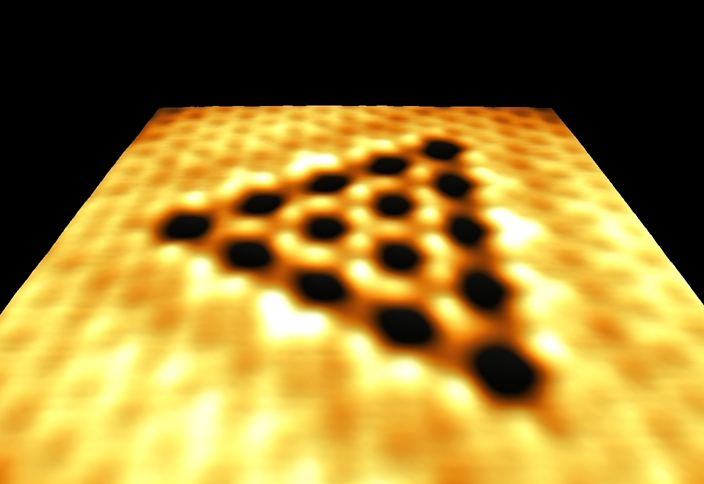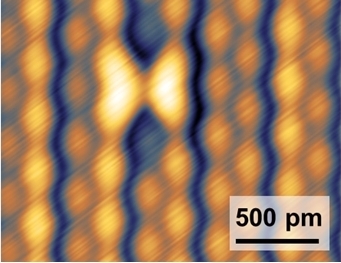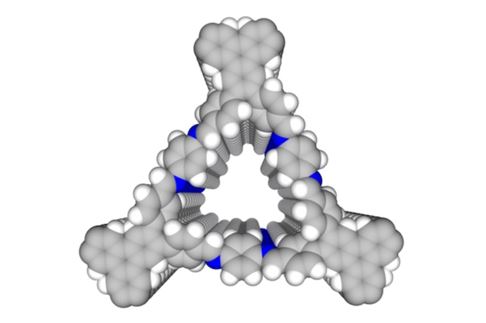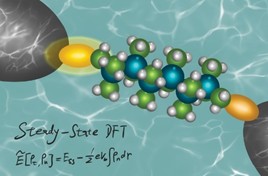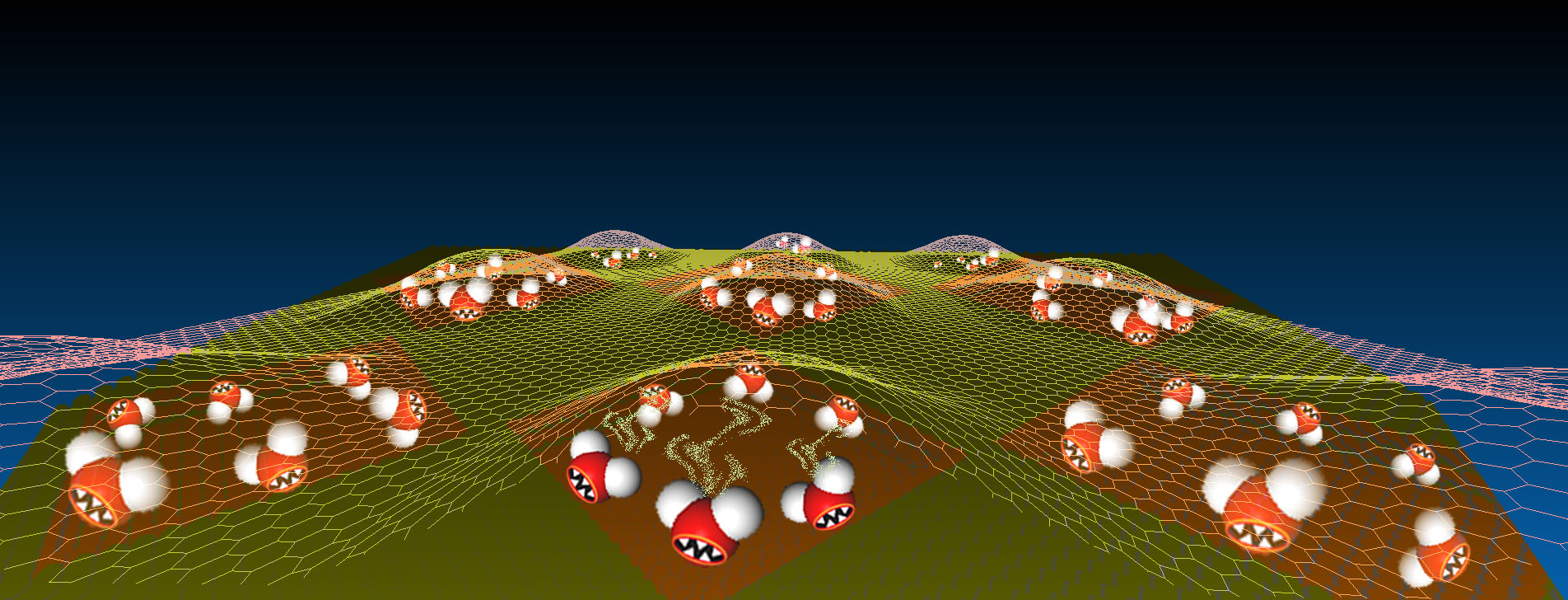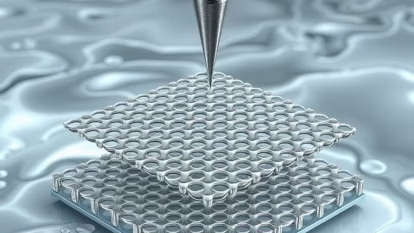
A scanning tunneling microscopy (STM) study of moiré superlattice formation on a twisted bilayer covalent organic framework (COF).
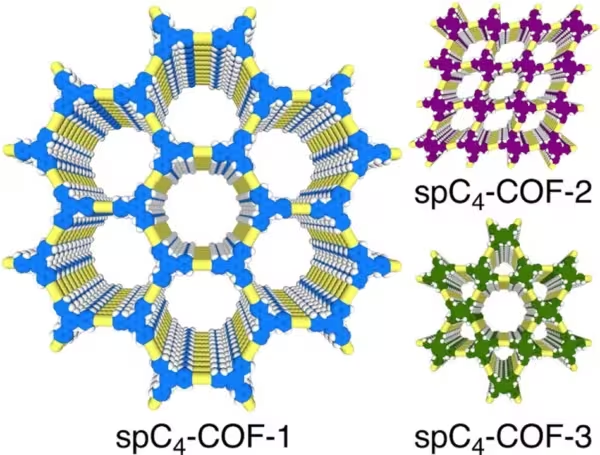
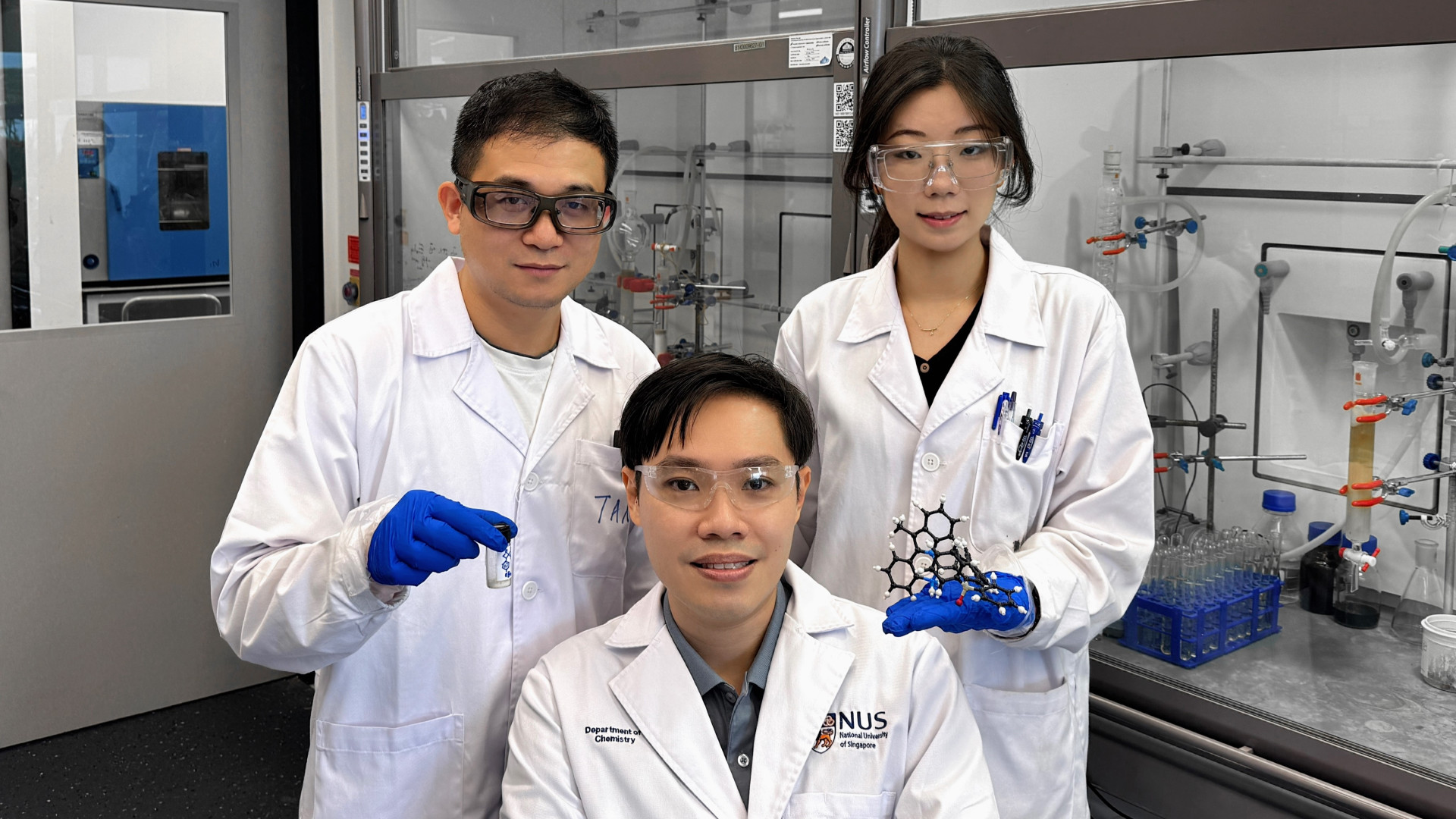
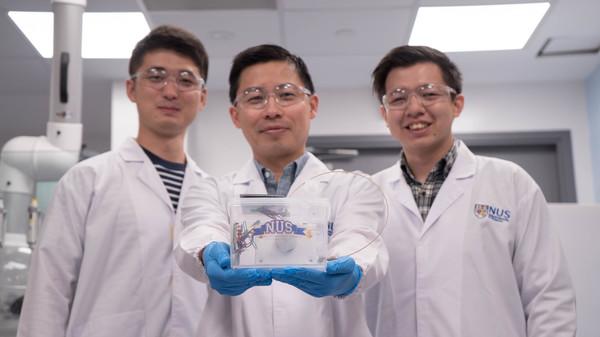
A team led by Professor LOH Kian Ping from the NUS Department of Chemistry has developed a method for synthesising large area two-layer 2D COFs at the liquid-substrate interface. This was achieved through the direct condensation of chemical molecules. Using scanning tunnelling microscopy (STM) in solution, they successfully imaged the molecular assembly process, capturing the formation of both the monolayer and bilayer. More importantly, they show how molecular structure and solvent mixture influence the bilayer stacking modes, and how, under certain conditions, large-area moiré superlattices emerge from twisted bilayer stacking.
Due to their highly porous and organic nature, COFs present significant challenges for imaging in air or ultra-high vacuum (UHV) conditions using STM. The pores of COFs are typically filled with solvent, and their surfaces may trap residues, complicating atomic-scale imaging. To overcome these difficulties, the team focused on imaging COFs directly in solution, where the surface is cleaner than when exposed to air. Prof Loh said, “Performing STM in solution allows us to study the dynamic self-assembly process of molecular frameworks in real-time.”
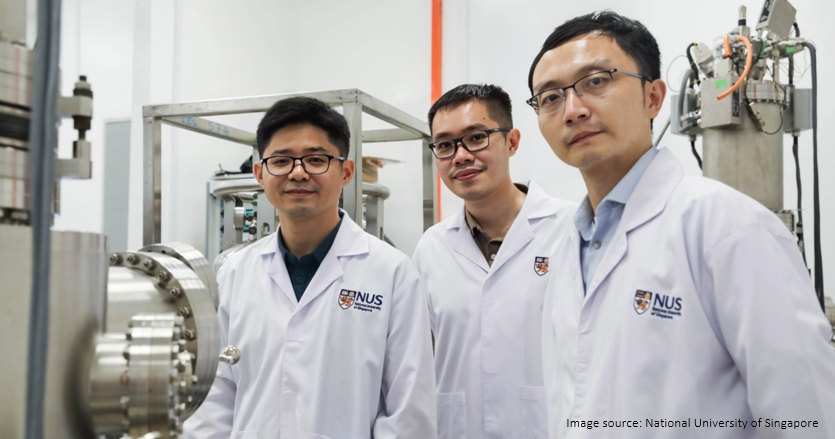
The research team includes Dr ZHAN Gaolei who was an NUS postdoctoral fellow at the time of research (and is currently a researcher at Suzhou Institute of Nano-tech and Nano-bionics, China), Professor Steven De FEYTER from KU Leuven, Belgium and Professor ZHU Yihan from Zhejiang University of Technology, China.
The research findings have been published in the journal Nature Chemistry. Read the full article here.