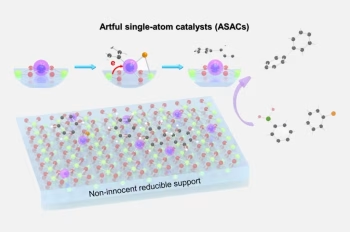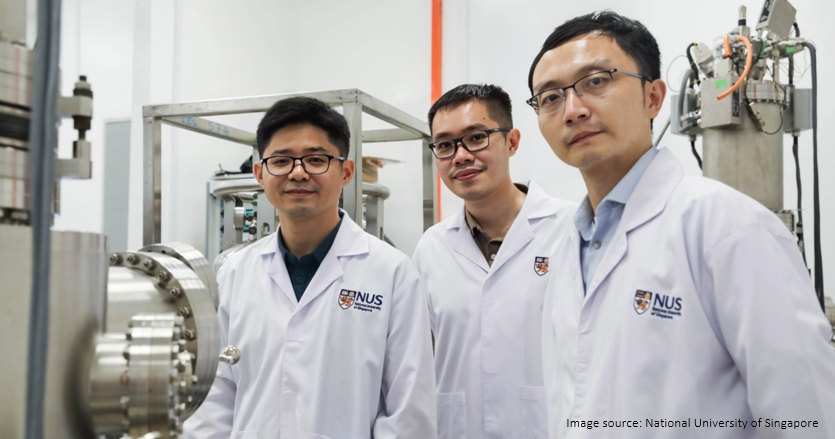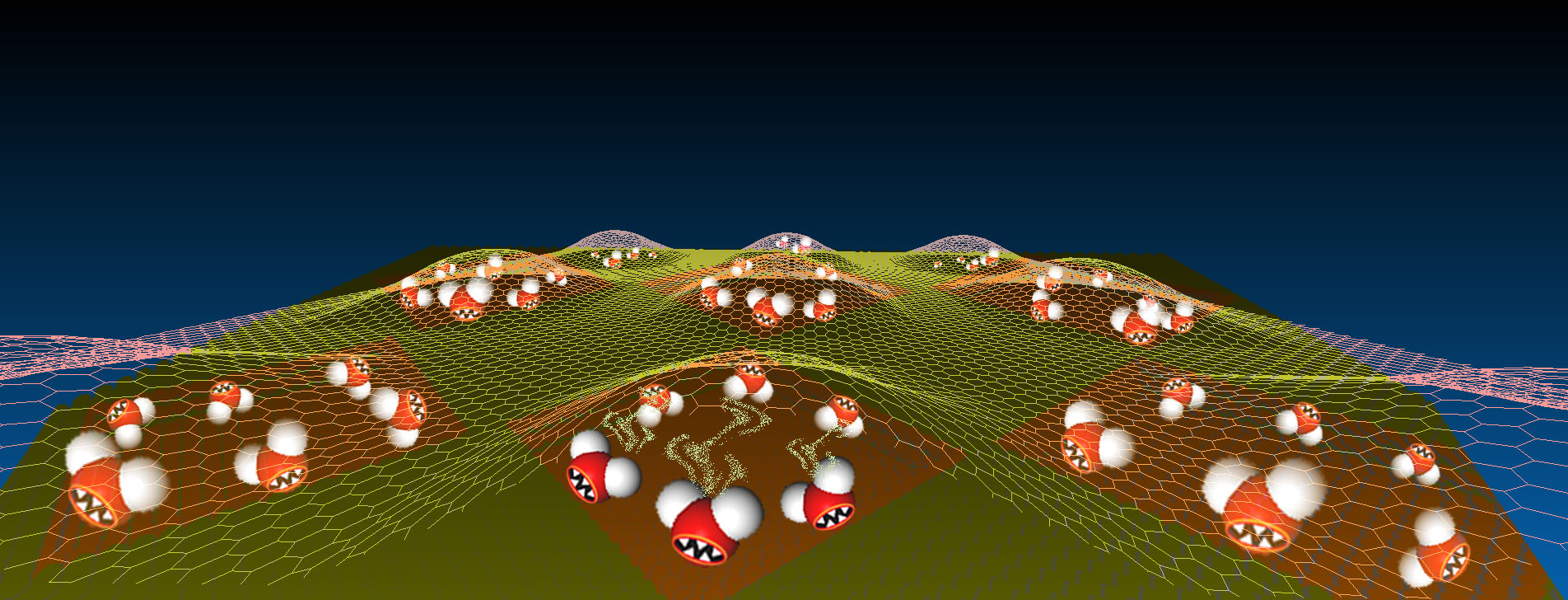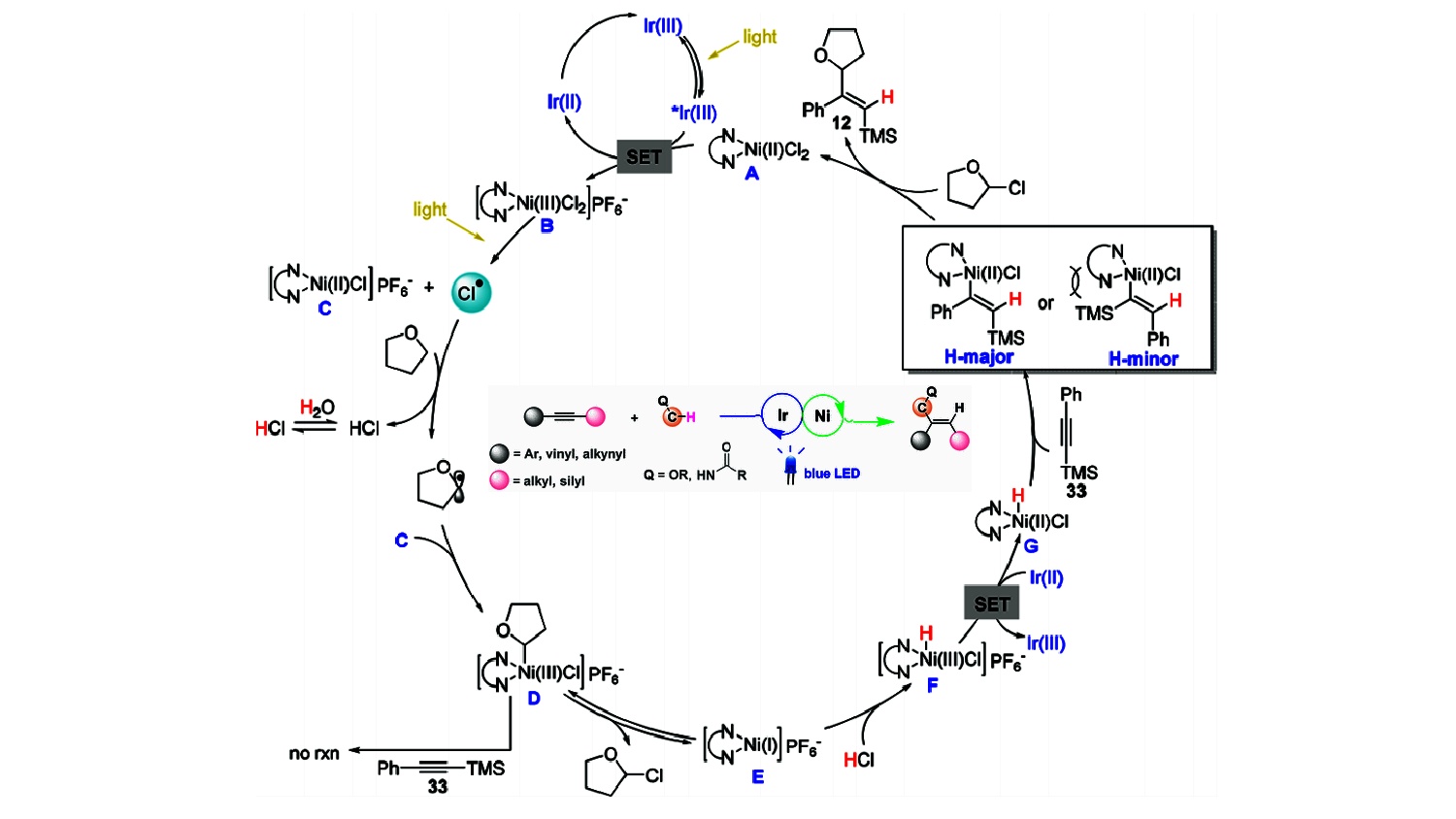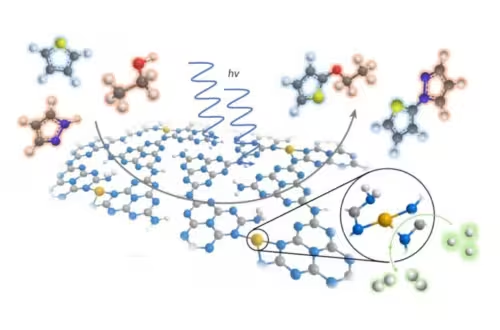
The research team led by Associate Professor WU Jie and Professor LU Jiong, both from the Department of Chemistry at NUS have developed a single-atom photocatalytic strategy that enables oxidant-free cross-dehydrogenative coupling (CDC) reactions between ring-shaped aromatic molecules ((hetero)arenes) and nucleophiles. This innovative approach achieves efficient bond formation under mild conditions and produces hydrogen gas as a clean by-product, offering a greener and more sustainable pathway for chemical synthesis.
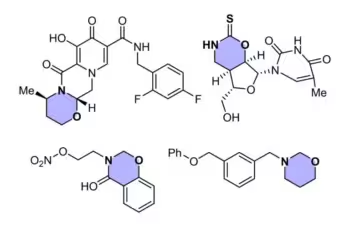
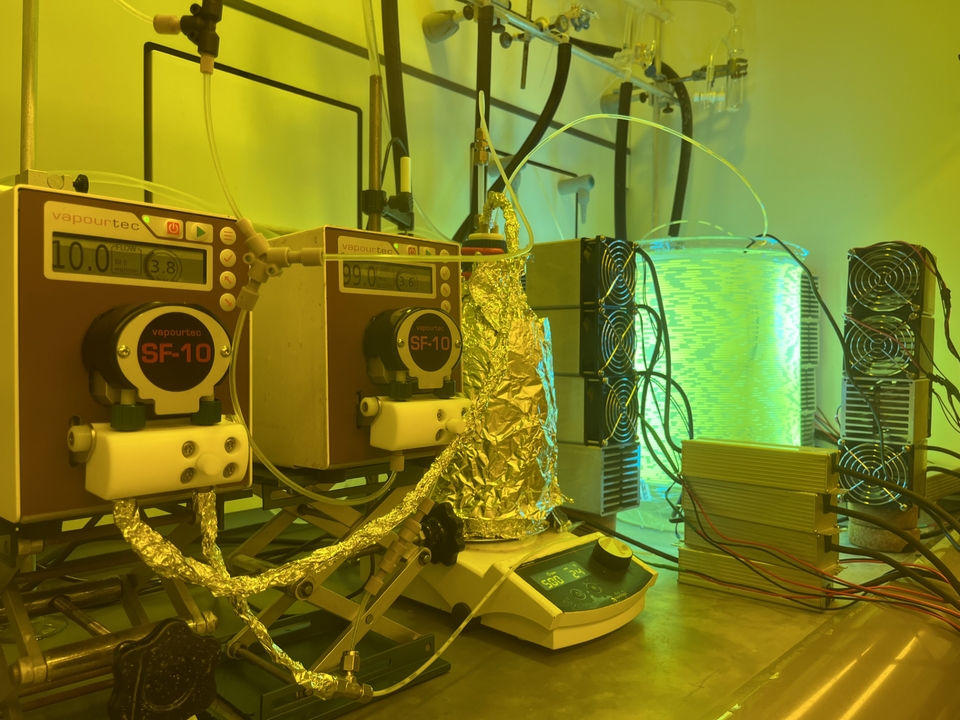
The team demonstrated that their recyclable, light-driven catalyst works across a wide range of (hetero)arenes and nucleophiles, enabling late-stage functionalisation of pharmaceuticals and optoelectronic materials. Moreover, by integrating the process into a high-speed circulation flow reactor, they achieved scalable decagram-level synthesis of drug molecules, underscoring the practicality of the platform for real-world applications. This work was conducted in collaboration with researchers at Peking University and Nanjing Normal University, China. The findings were published in the journal Nature Catalysis.
Prof Wu said, “Our protocol aligns with most of the 12 principles of green chemistry, representing one of the greenest strategies for CDC chemistry and highlights the emerging potential of single-atom catalysts in sustainable organic synthesis.” Read the full article here.
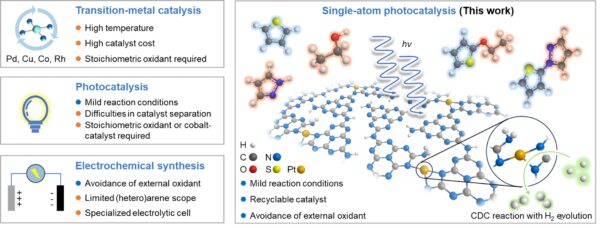
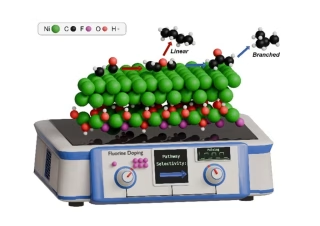
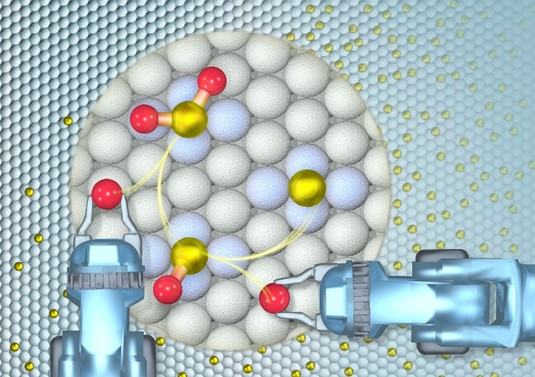
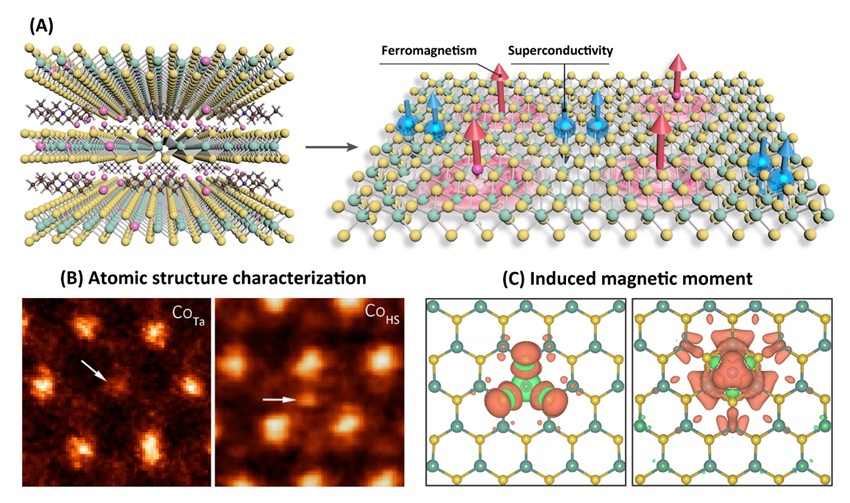
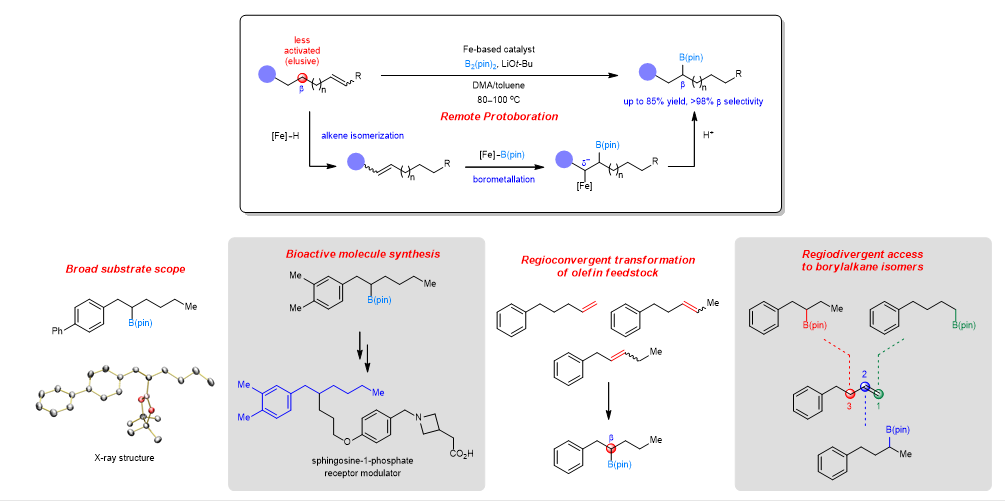
Schematic showing the (left) traditional strategies for the construction of (hetero)aromatic C(sp2)−heteroatom and C(sp2)−C bonds via cross-dehydrogenative coupling (CDC) reactions and (right) a newly proposed strategy for hydrogen-evolution CDC reaction via single-atom photocatalysis. [Credit: Nature Catalysis]