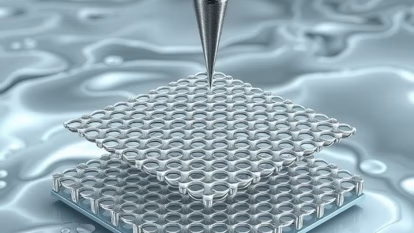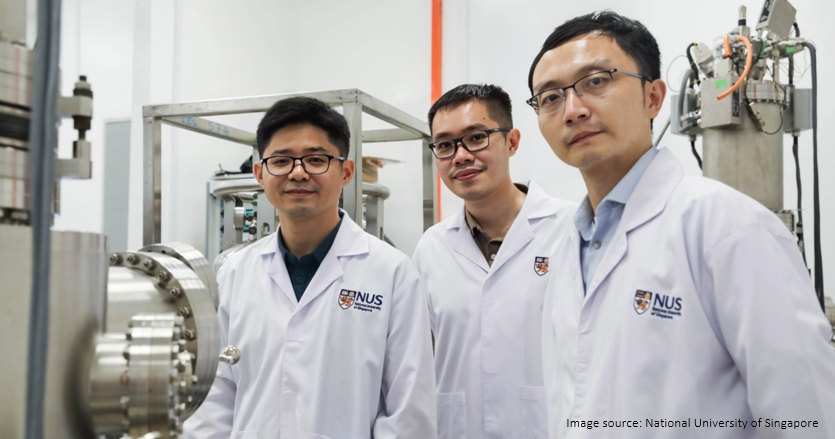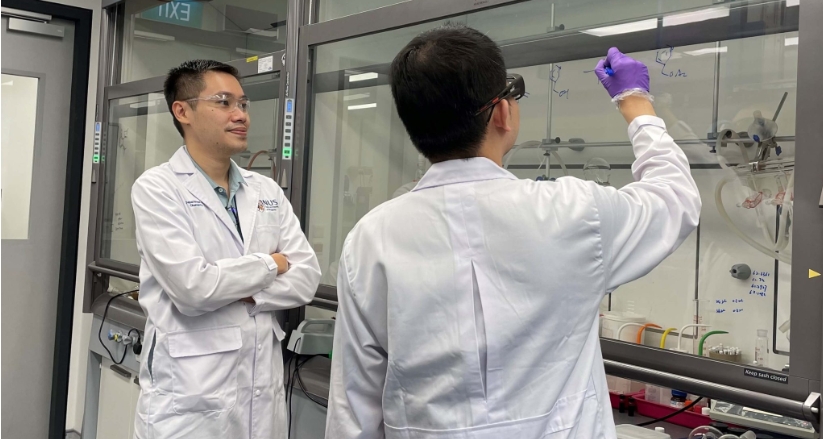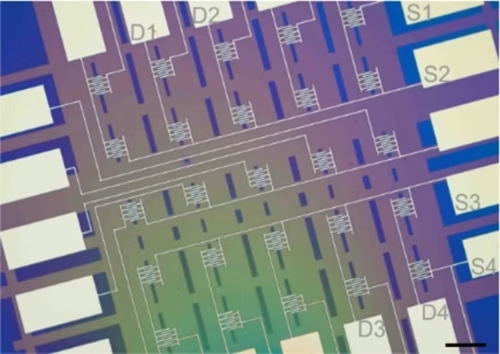
A research team led by Professor CHEN Wei from the Department of Physics and the Department of Chemistry at NUShave fabricated ultra-thin memtransistor arrays from two-dimensional (2D) transition metal dichalcogenide (TMDC) with controllable Schottky barriers. These arrays are highly uniform, demonstrating low device-to-device variation and provide high performance for image recognition tasks.
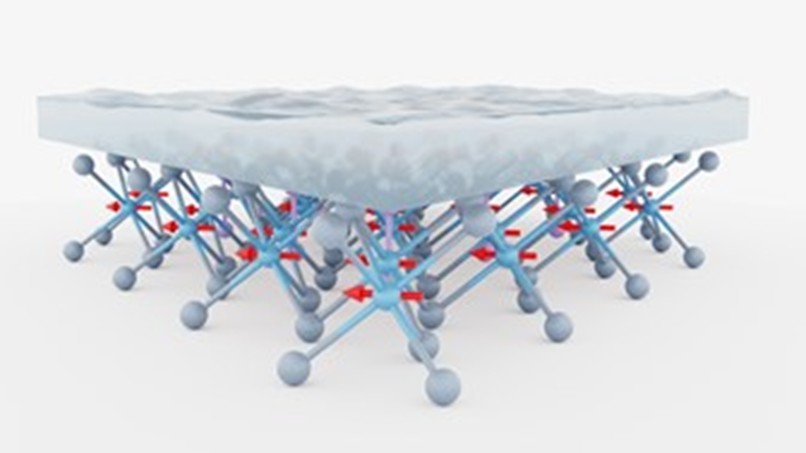
By carefully exposing selected areas to oxygen, they created and controlled a small number of sulfur vacancies, which allow them to fine‑tune the contact barriers so that electricity flows through the devices in a precise, predictable way. This research work was carried out in collaboration with Dr JIN Tengyu from Shanghai University, China.
The research findings were published in the scientific journal Nature Communications.
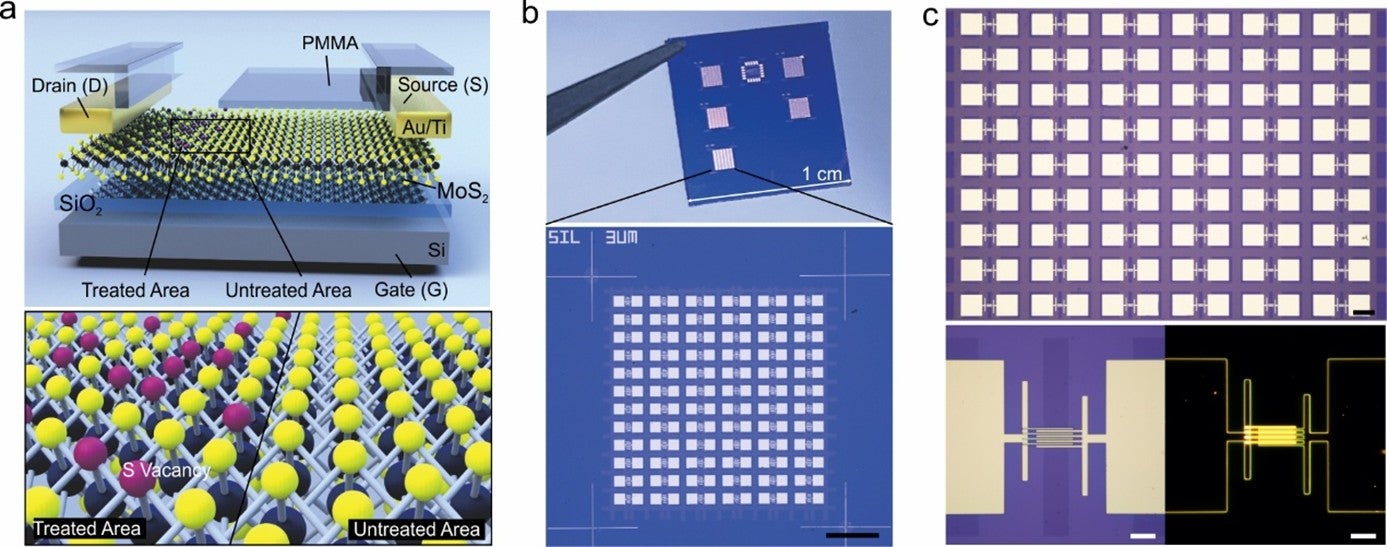
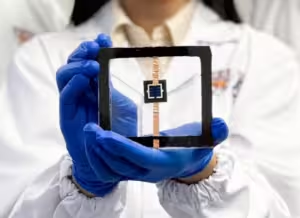
Figure shows (a) Schematic of the MoS2 memtransistor structure, highlighting the selectively treated and untreated areas for Schottky barrier modulation. (b) Optical images of the fabricated memtransistor chip, demonstrating large-scale integration with 12 × 6 arrays. (c) Optical images of an array with a channel length and electrode width of 500 nm. [Credit: Nature Communications]
One of the authors, Dr HOU Xiangyu said, “This memtransistor fabrication approach is also applicable to mechanically exfoliated molybdenum disulfide and molybdenum ditelluride, indicating a versatile fabrication strategy for building 2D TMDC memtransistors.”
“Looking forward, integrating this approach with advanced fabrication techniques, multi-layer stacking, or hybrid CMOS-2D architectures could further enhance device performance and enable large-scale, energy-efficient AI accelerators,” added Professor Chen. Read the full article here.