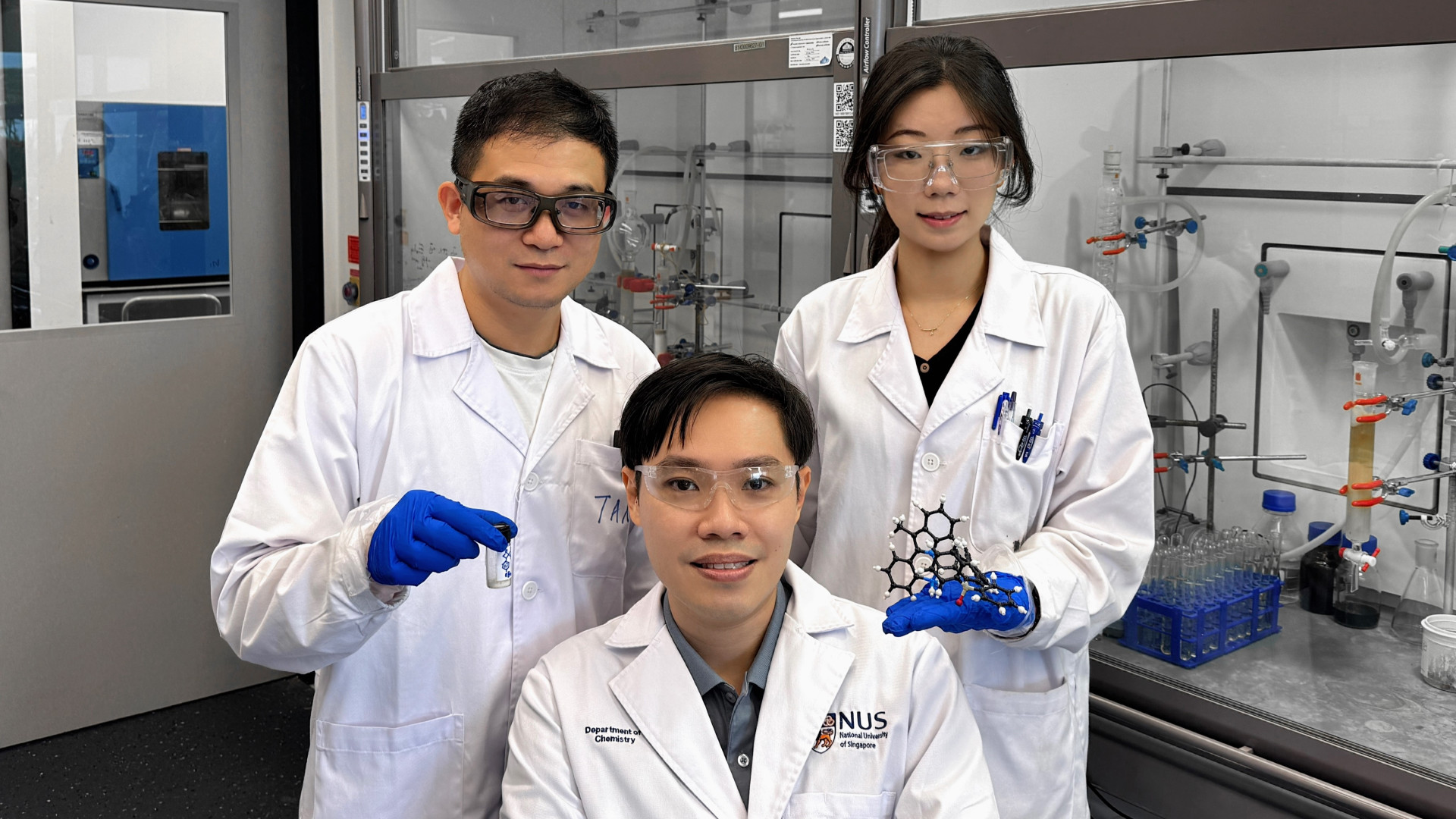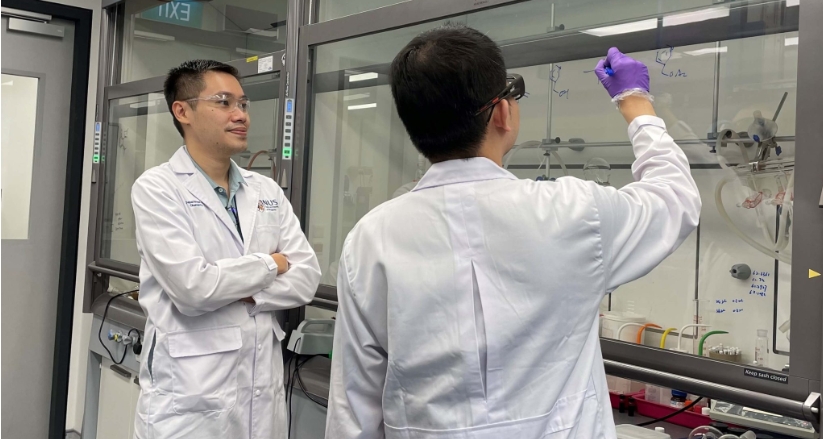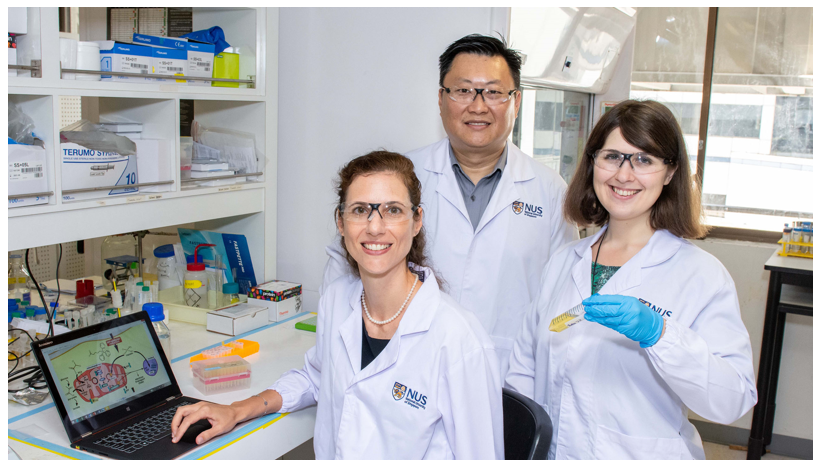
A research team led by Associate Professor Boon Siang YEO from the Department of Chemistry at NUS has developed a new way to turn carbon dioxide, a greenhouse gas, into valuable liquid hydrocarbons, which are the main components of fuels like gasoline and jet fuel. They explored a different path in green fuel production by using a nickel-based material to catalyse the electrochemical reduction of carbon dioxide. By introducing a small amount of fluoride ions into the nickel structure as well as by applying pulsed potential electrolysis, they found that they could fine-tune the catalytic process. These strategies allowed them to have unprecedented control over the types of hydrocarbons produced, especially in determining whether the molecules are straight chains or have branches. Branched hydrocarbons are particularly valuable because they enable fuels to burn more efficiently and with higher performance, making them ideal for use in vehicles and aircraft. The research was conducted in collaboration with Professor Núria López, an expert in computational simulation from the Institute of Chemical Research of Catalonia, Spain, and Professor Javier Pérez-Ramírez from ETH Zürich, Switzerland, who brings extensive expertise in electro- and thermocatalytic fuel synthesis. Their findings were recently published in the journal of Nature Catalysis. Read the full article here.

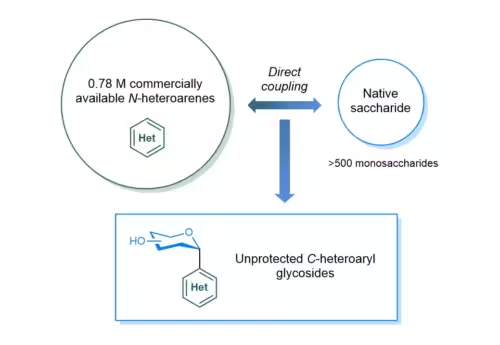
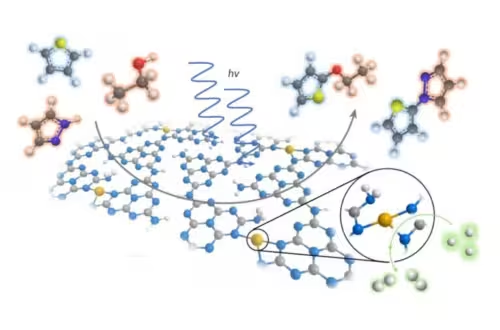
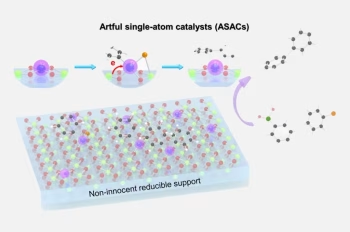
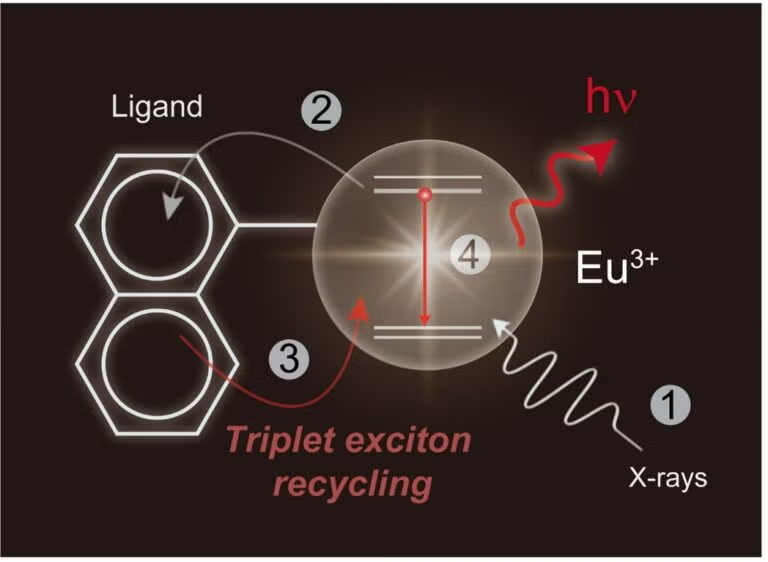
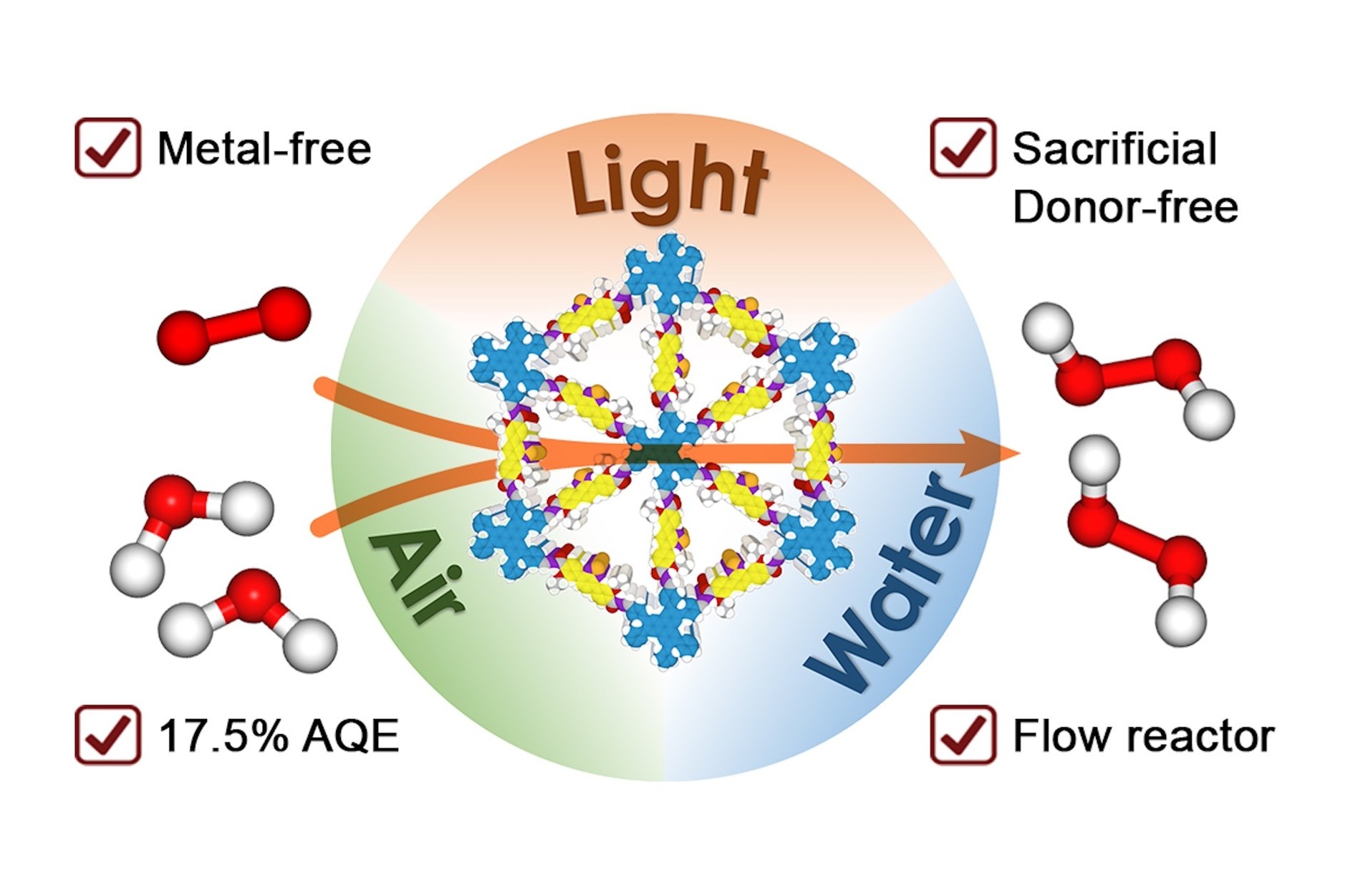
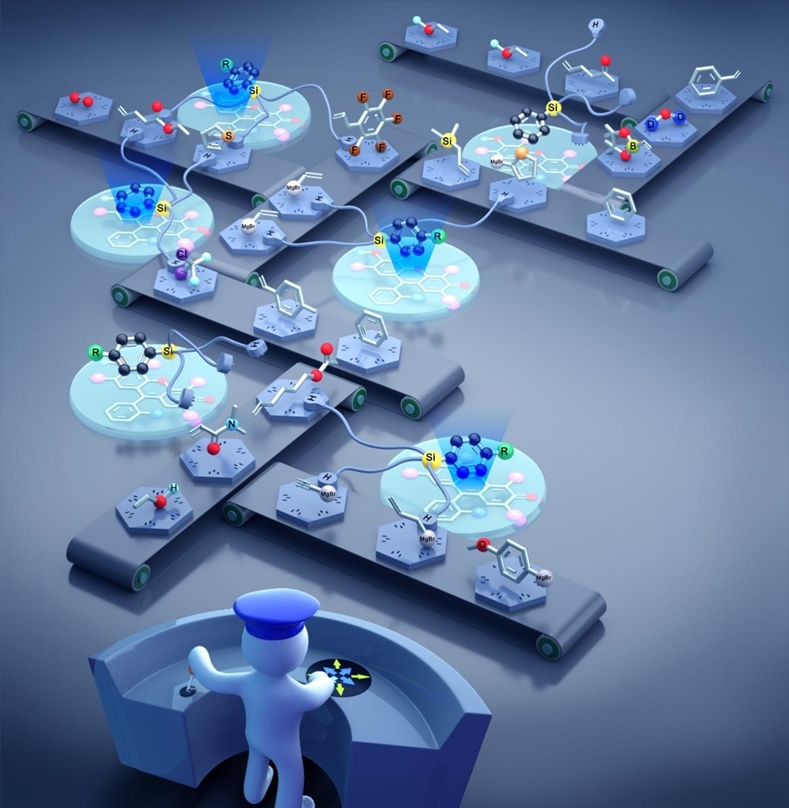
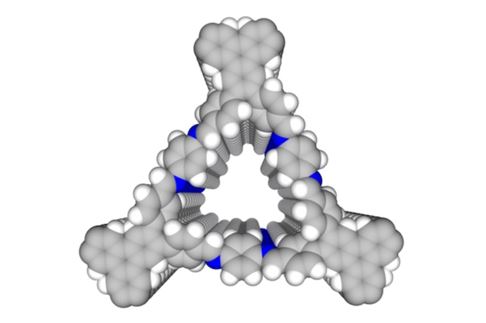
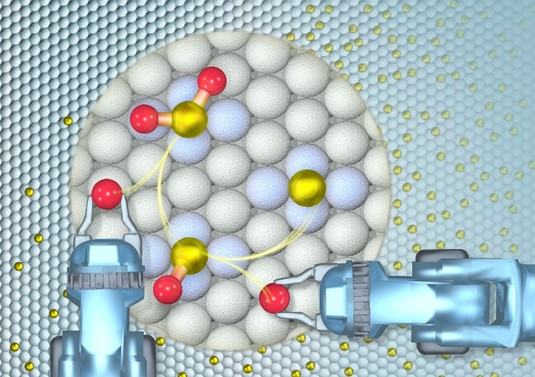
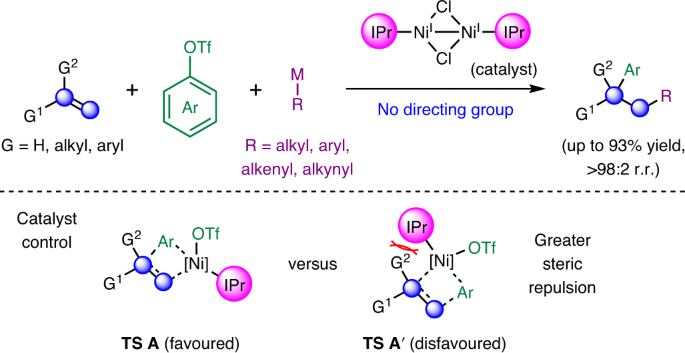
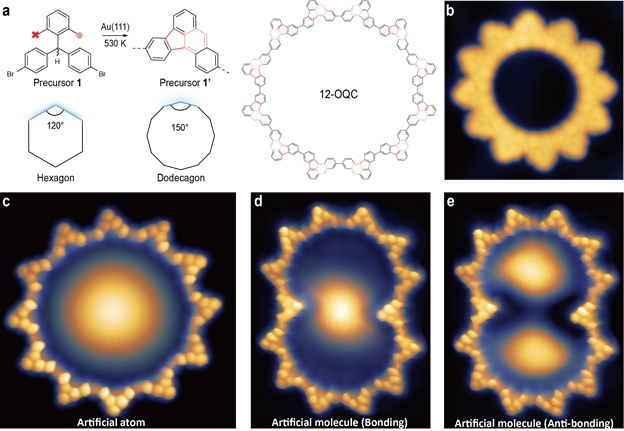
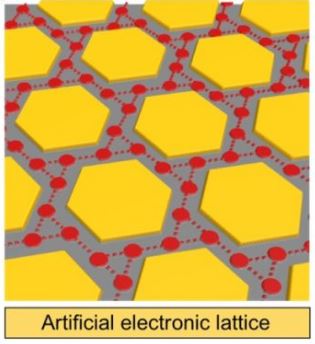
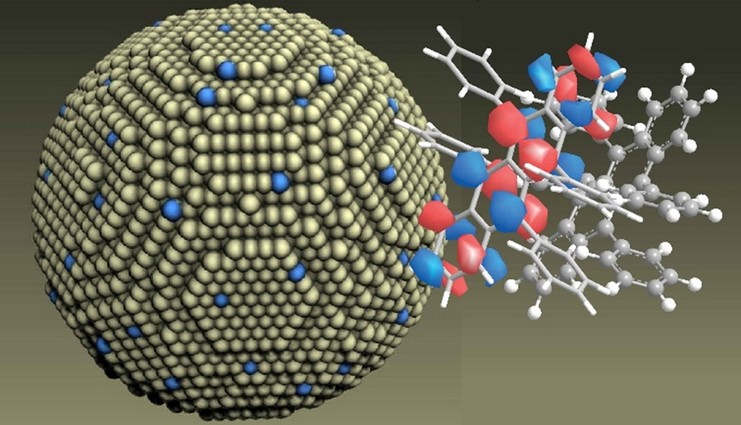
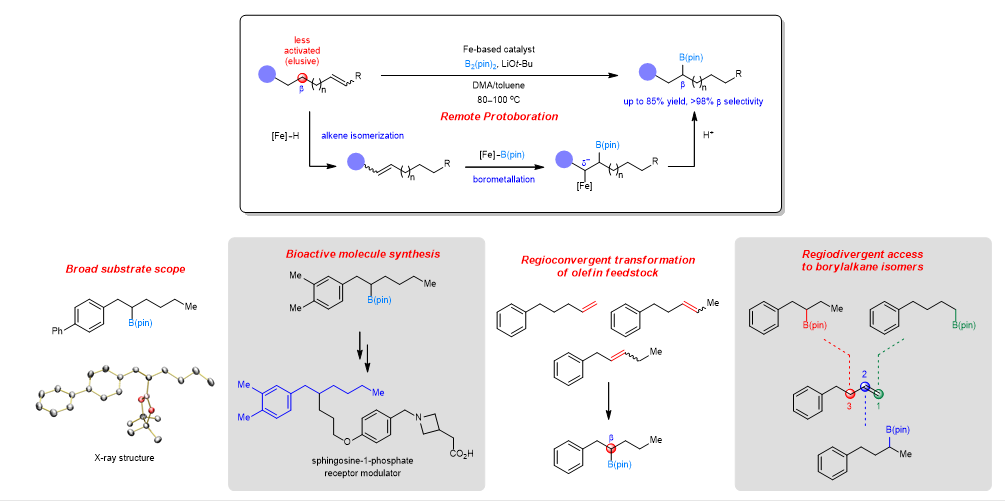
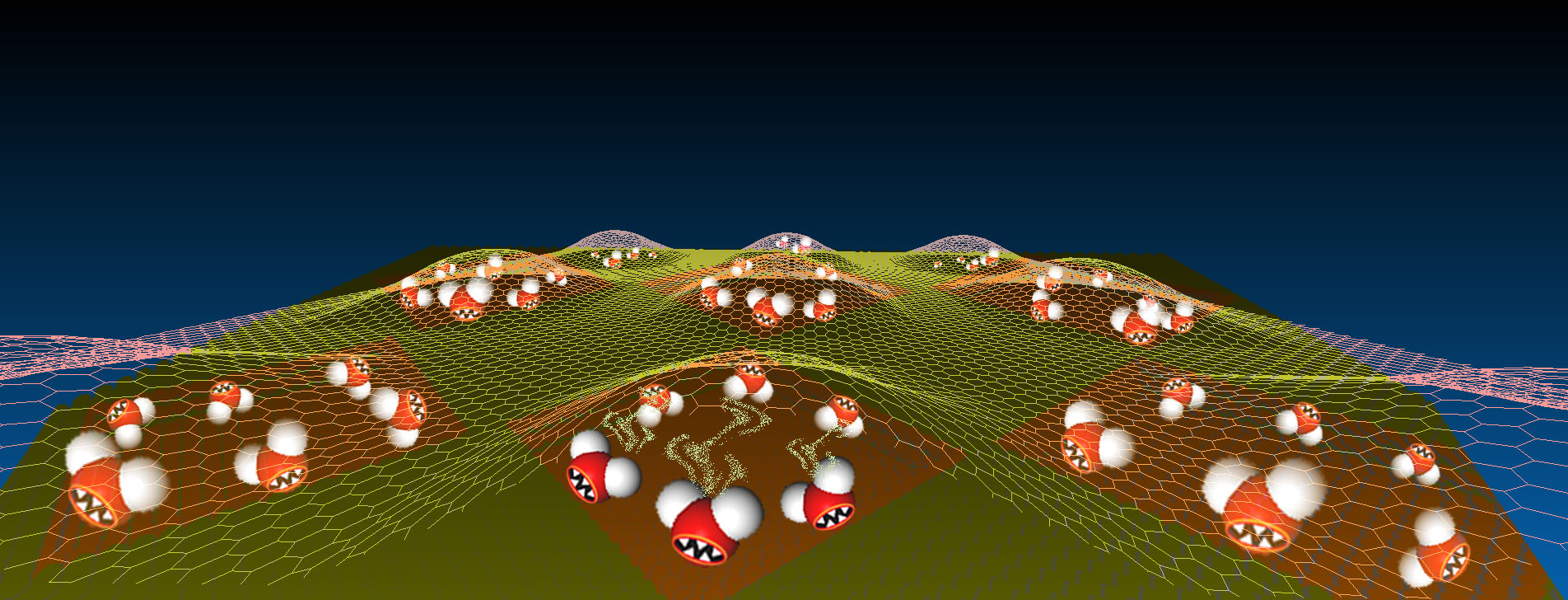
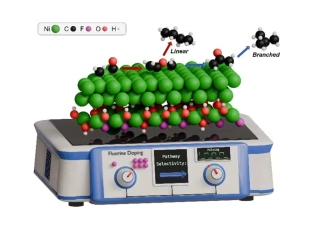
Schematic illustration of the key strategies employed in the study. These approaches allowed the researchers to guide the reaction toward making more branched and longer-chain molecules, which are sought after for advanced fuels. [Credit: Nature Catalysis]