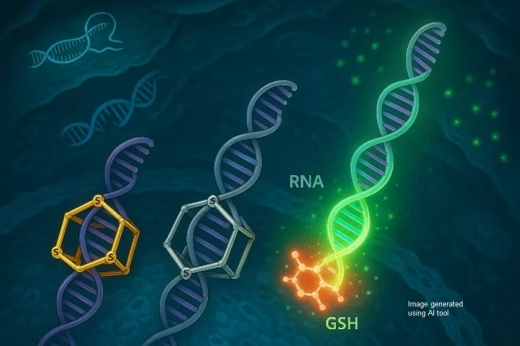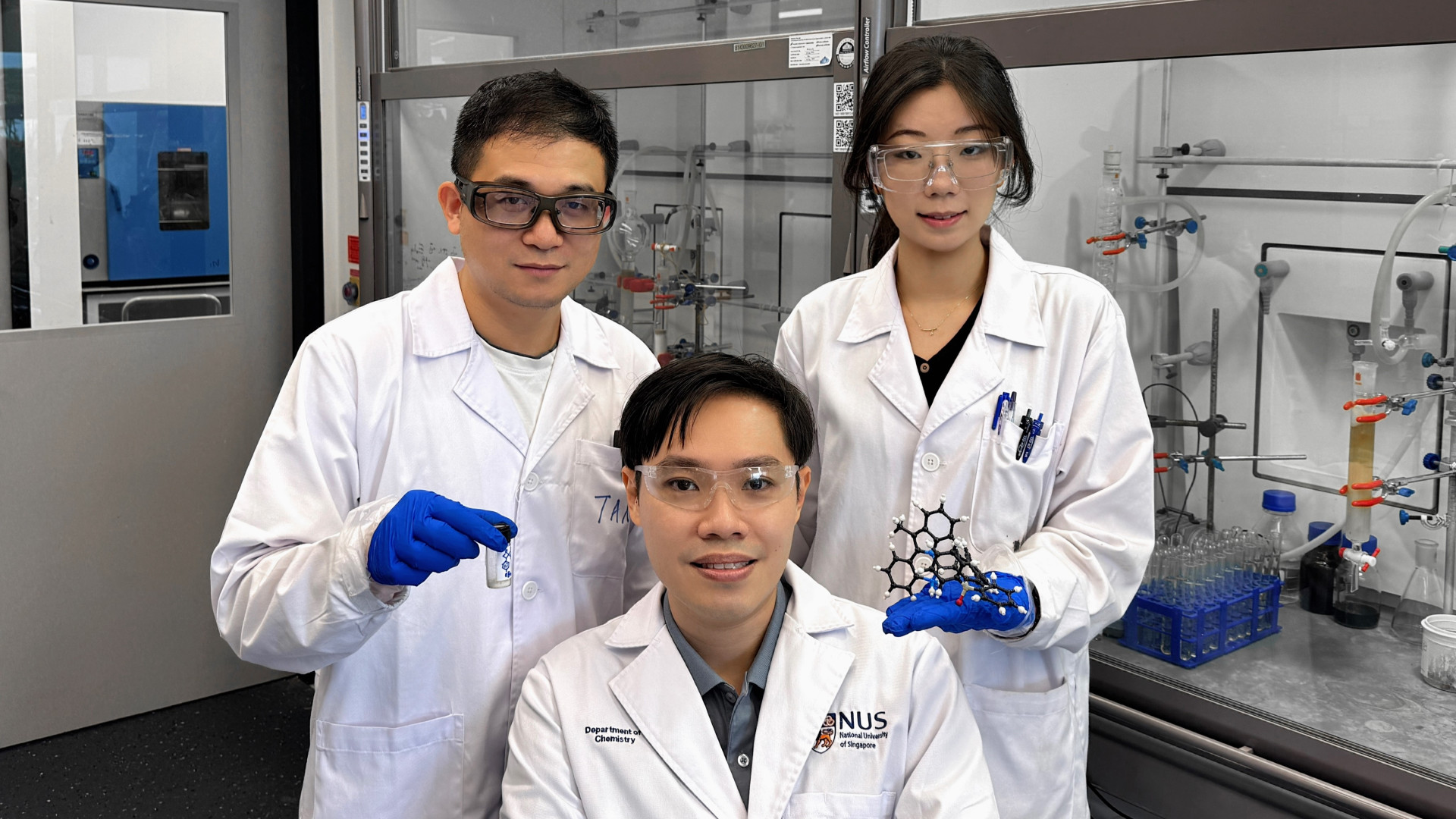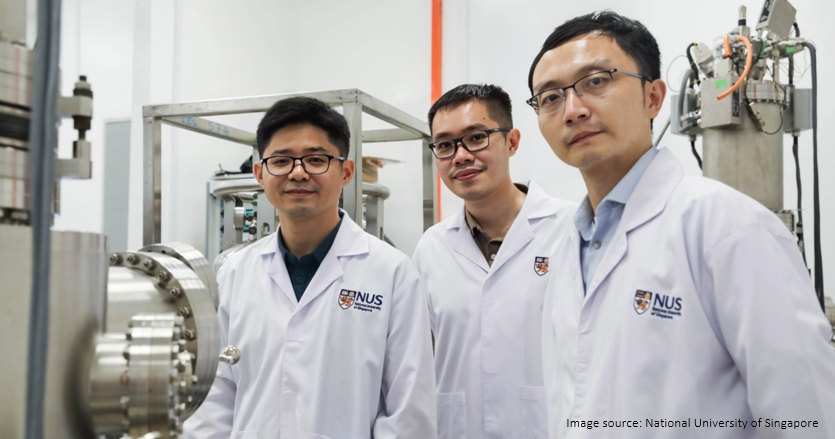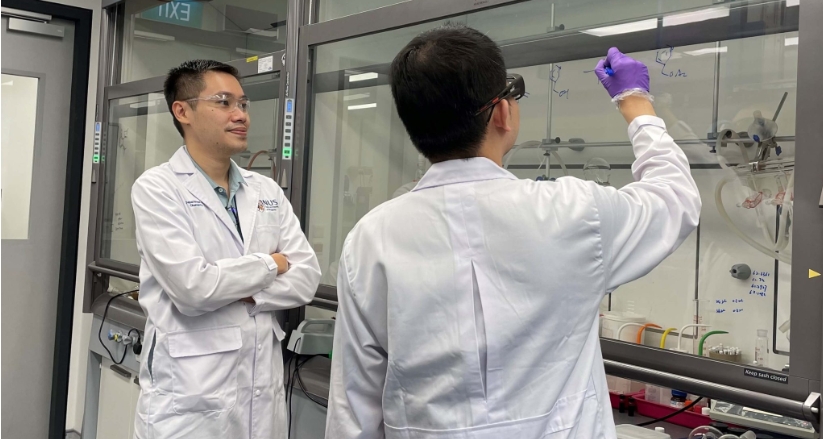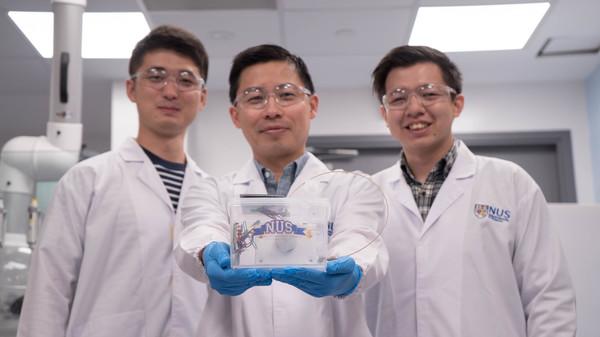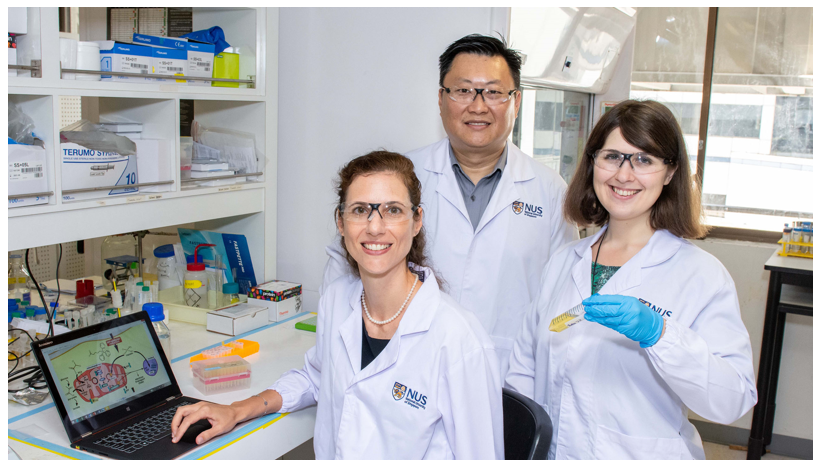
The research team, led by Assistant Professor ZHU Ru-Yi from the Department of Chemistry at NUS has developed an efficient and versatile strategy for site-selective chemical modification of ribonucleic acid (RNA) by employing a DNA-small molecule catalyst that binds selectively to target regions. This research opens new avenues for precise RNA modification, with significant potential for both fundamental research and the development of RNA-based therapeutics. The findings were published in the scientific journal Angewandte Chemie International Edition.

This work introduces programmable DNA-DMAP conjugates that enable site-selective modification of native RNA through proximity-driven catalysis. The approach facilitates targeted acylation of specific 2′-OH groups using PFP esters as acylating agents and is applicable to a broad range of RNA substrates. Moreover, the incorporation of azide-functionalized acyl groups allows subsequent modification via strain-promoted click chemistry, establishing a versatile platform for RNA functionalization. [Credit: Angewandte Chemie International Edition]
Assistant Professor Zhu said, “Our strategy offers a simple, rationally designed approach to achieve site-selective RNA modification without relying on enzymes, ribozymes, or complex solid-phase synthesis. This is the first example of using small-molecule catalysts for this purpose. We believe the simplicity and robustness of our method will make it widely accessible to researchers working with nucleic acids.”
Looking ahead, the team aims to explore new catalysts and reagents to further expand the scope of RNA modifications and apply this approach to endogenous RNA modification in living cells. They also envision that novel RNA structures arising from this strategy will pave the way for efficient RNA-based therapeutics and other advanced scientific applications. Read the full article here.