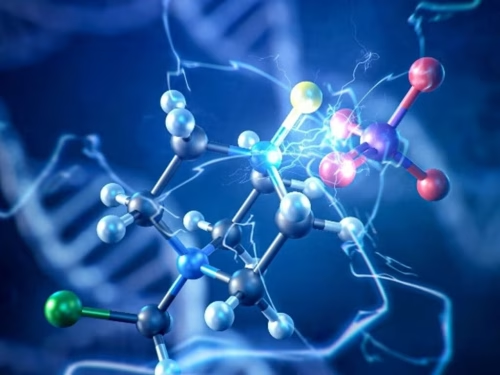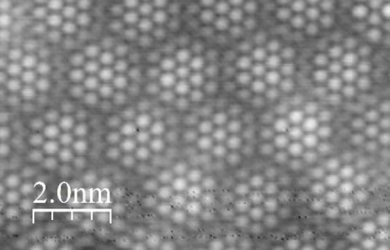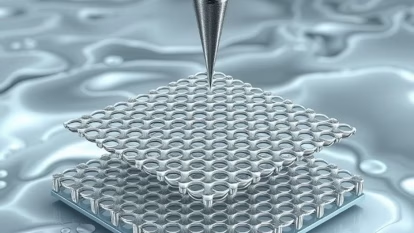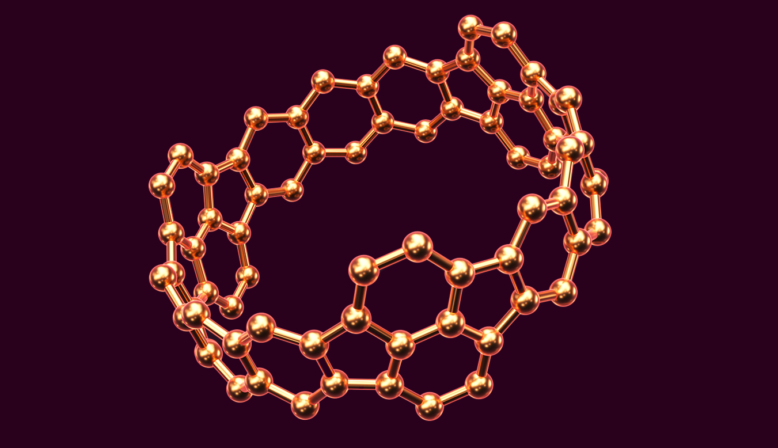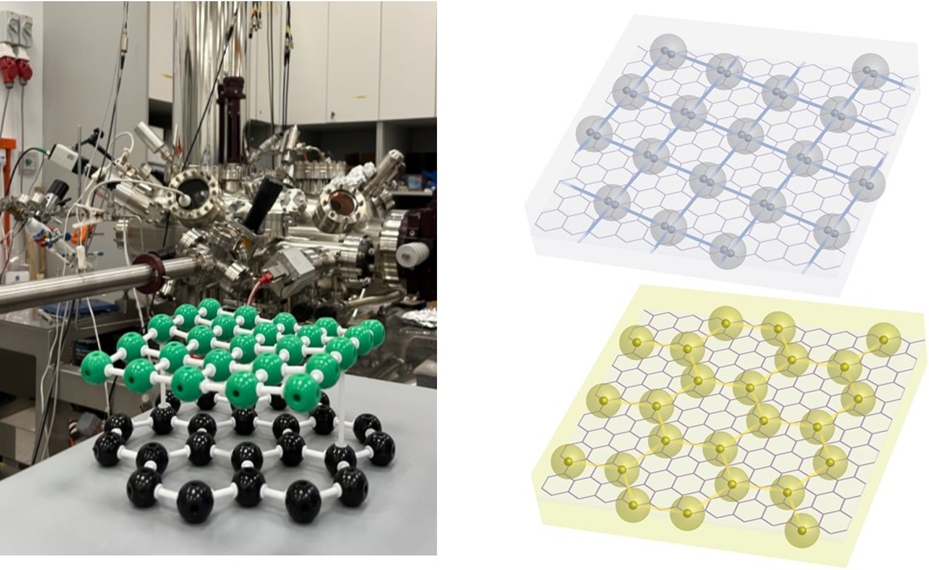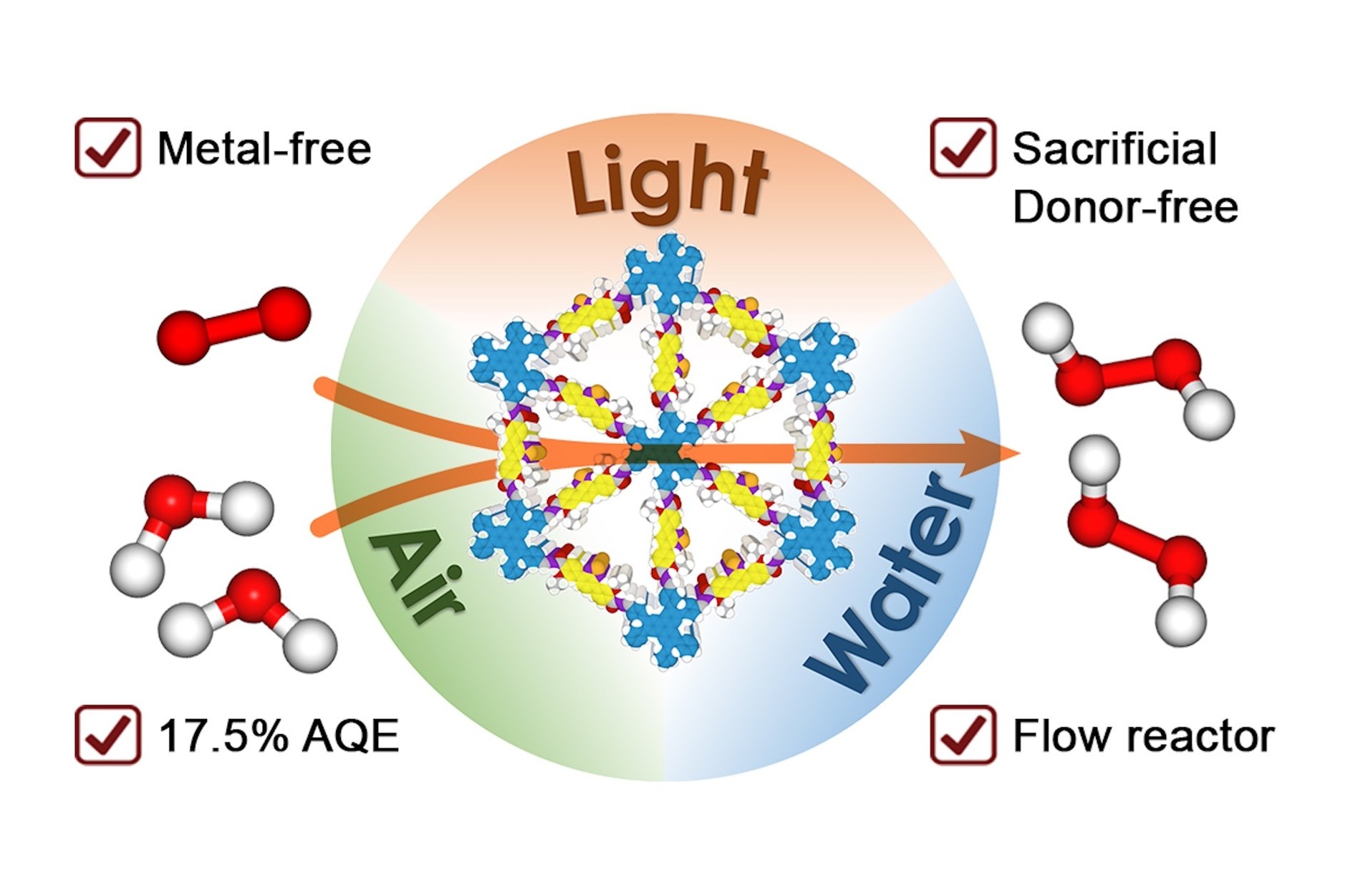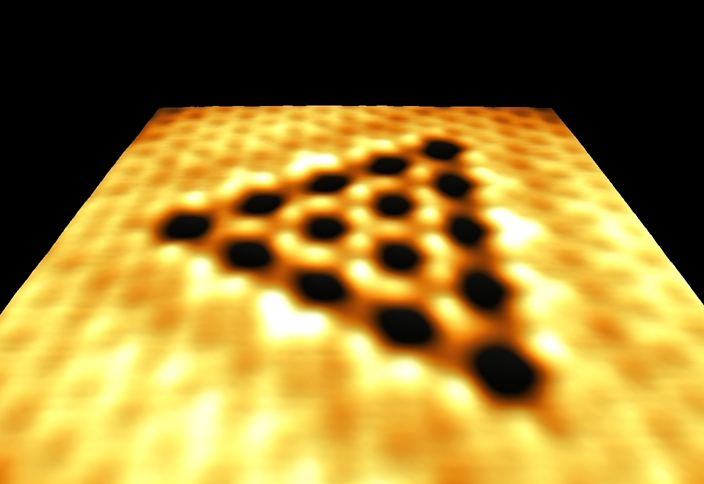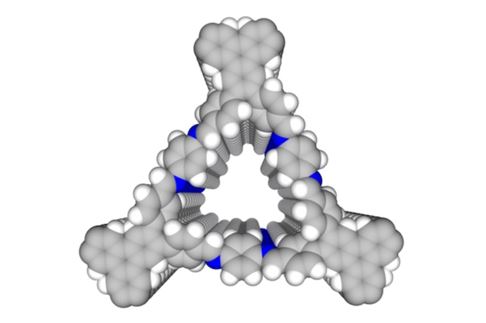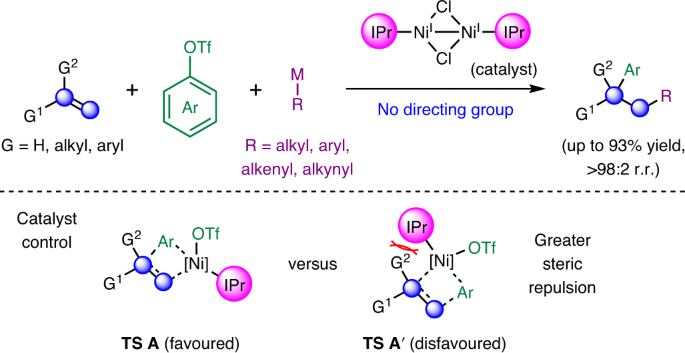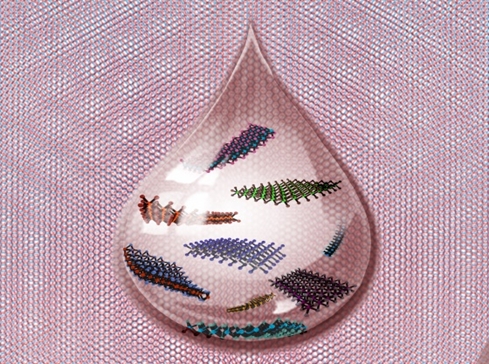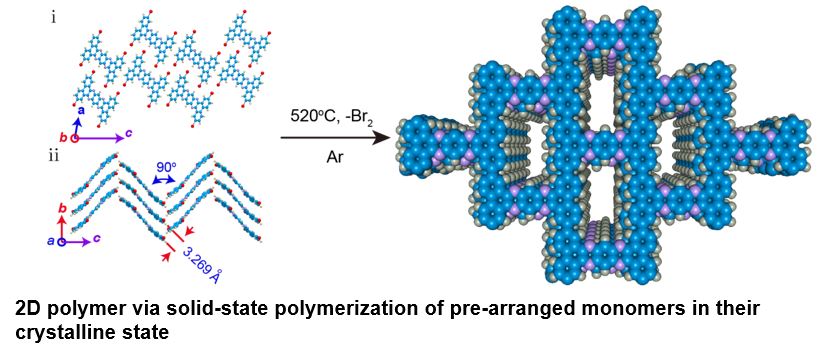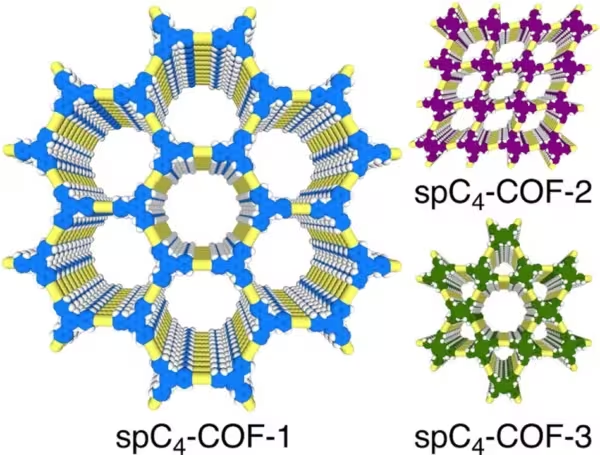
Representative crystal models of spC4-COFs: hexagonal spC4-COF-1 (left), tetragonal spC4-COF-2 (top right), and kagome spC4-COF-3 (bottom right), highlighting their ordered two-dimensional pore architectures formed via micro-interfacial coupling polymerisation. [Credit: Nature Synthesis]
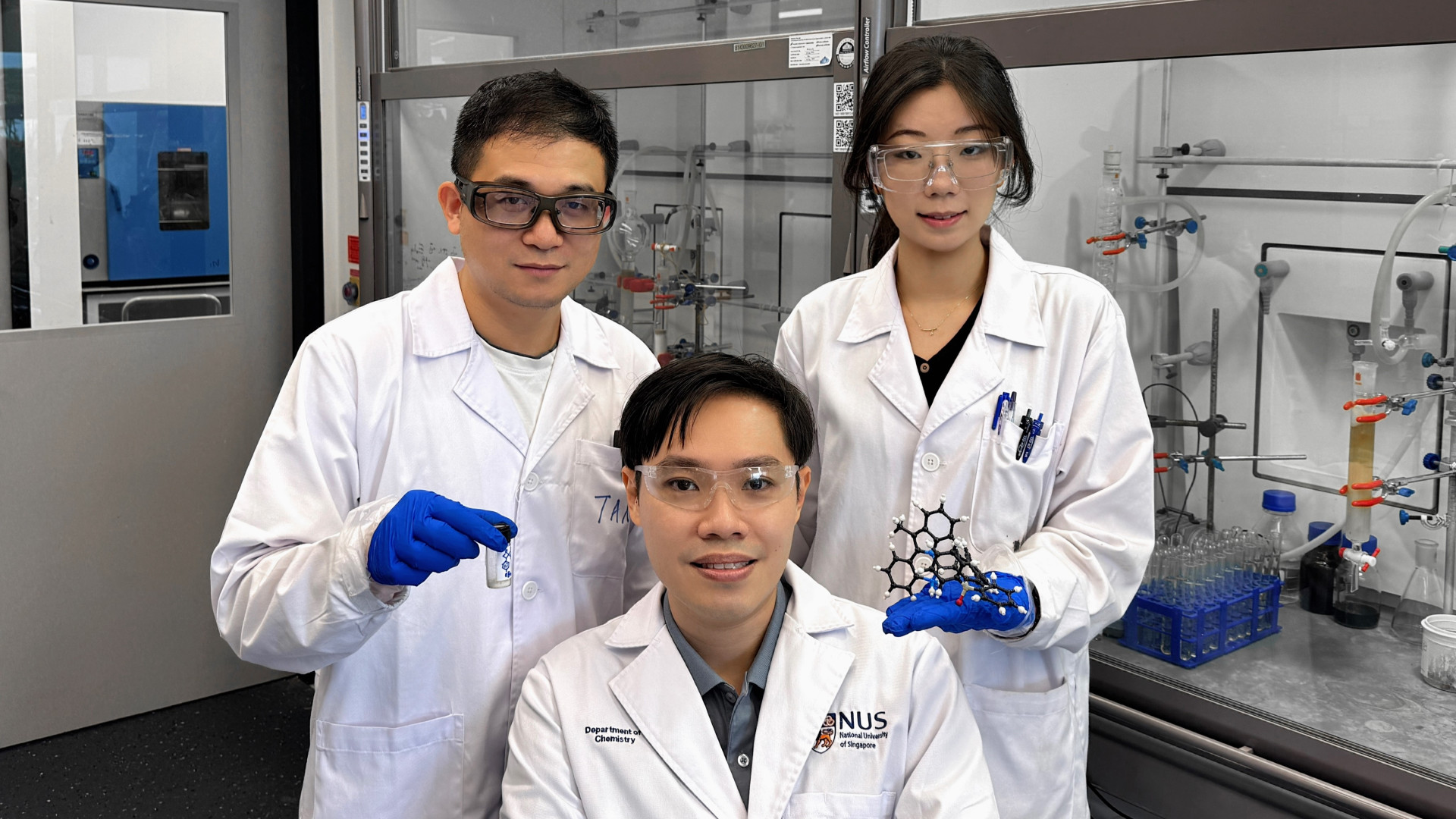
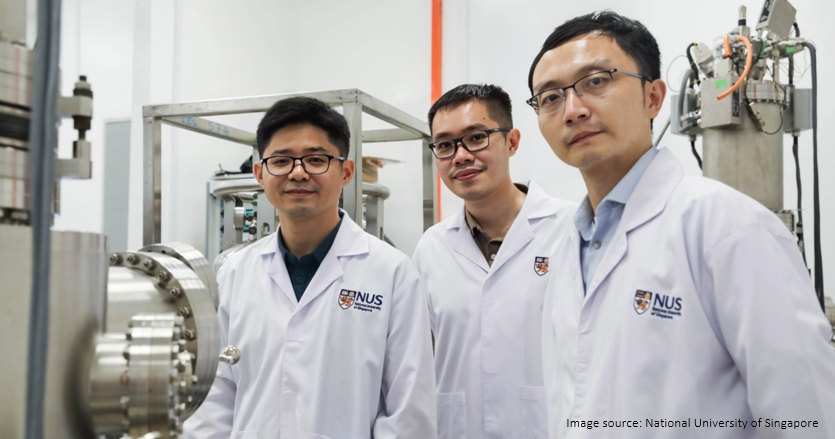
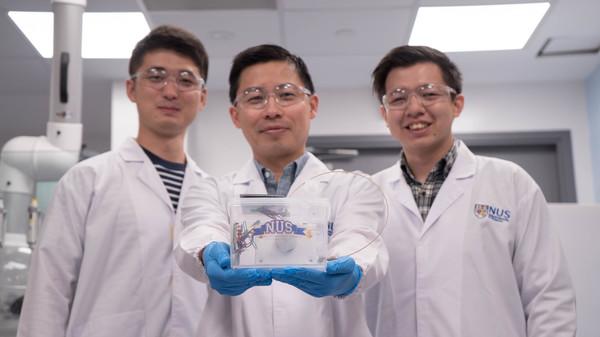
A research team, led by Professor Donglin JIANG from the Department of Chemistry at NUS, discovered that a two-phase system can create numerous micro-interfaces that spatially confine monomers and intermediate compounds. At these boundaries, the building blocks are held in place and react more slowly and orderly.
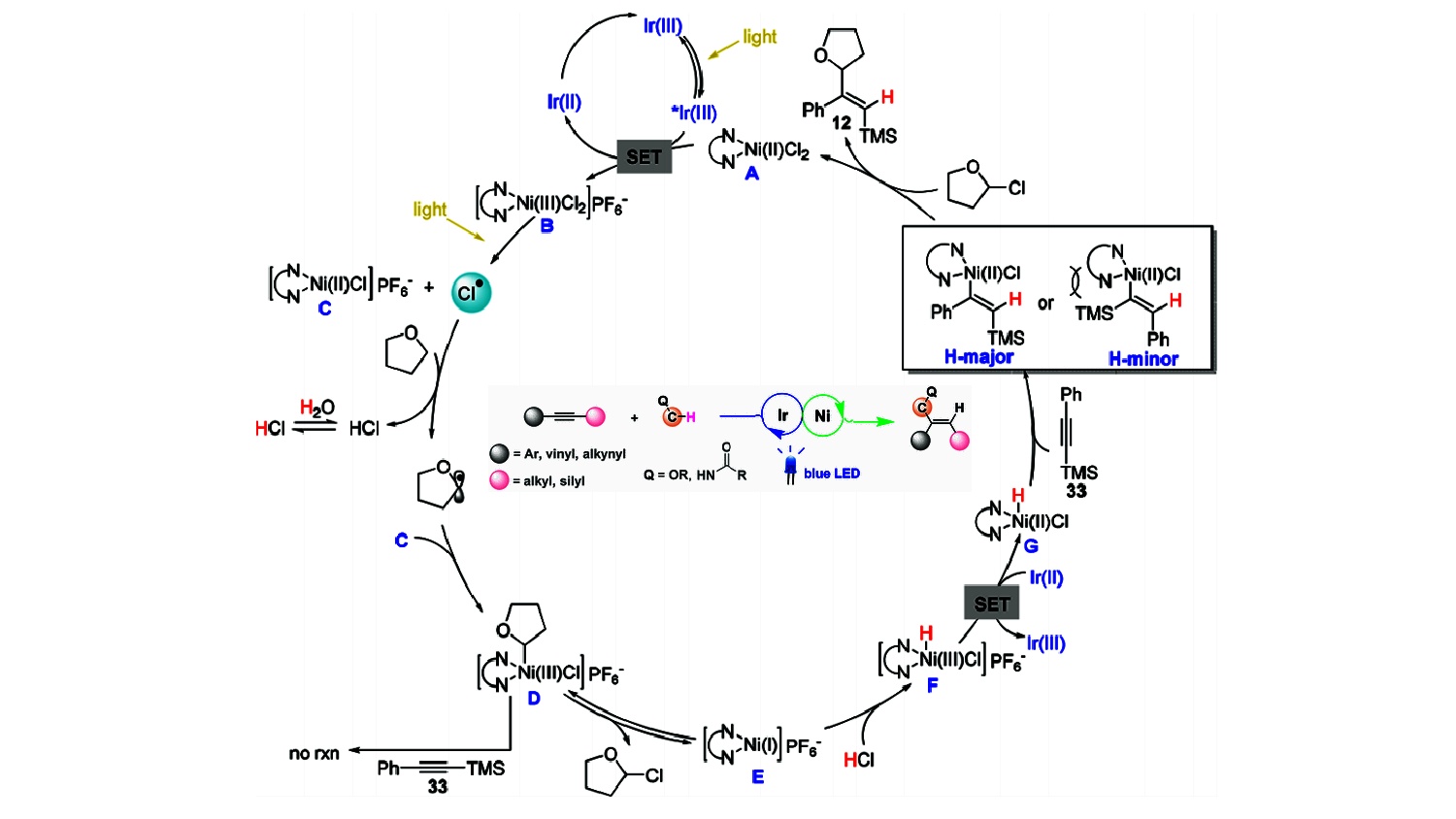
This led to the development of a micro-interfacial polymerisation technique, which uses immiscible combinations of water and organic solvents. This method facilitates the well-known Glaser–Eglinton coupling reactions, yielding two-dimensional COFs with carbon linkages that form repeating patterns with hexagonal, tetragonal, and kagome topologies (as illustrated in the Figure).
The findings were published in the scientific journal Nature Synthesis.
Professor Jiang said, “This work opens an avenue to the other half of the field. Our strategy conclusively demonstrates the feasibility of utilising coupling reactions for the design and construction of COFs.”
The team is enthusiastic about exploring how this method can facilitate the synthesis of new functional materials and systems that have, until now, remained inaccessible. Read the full article here.