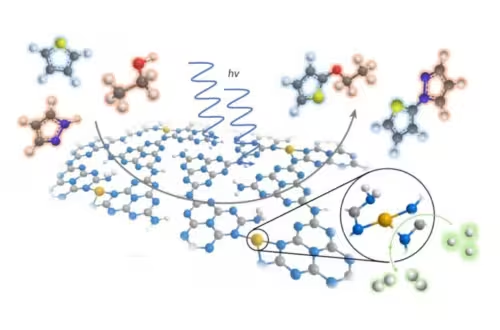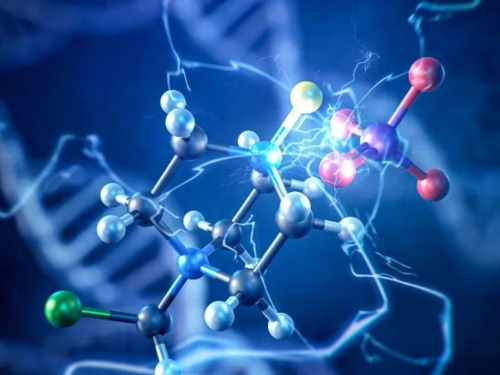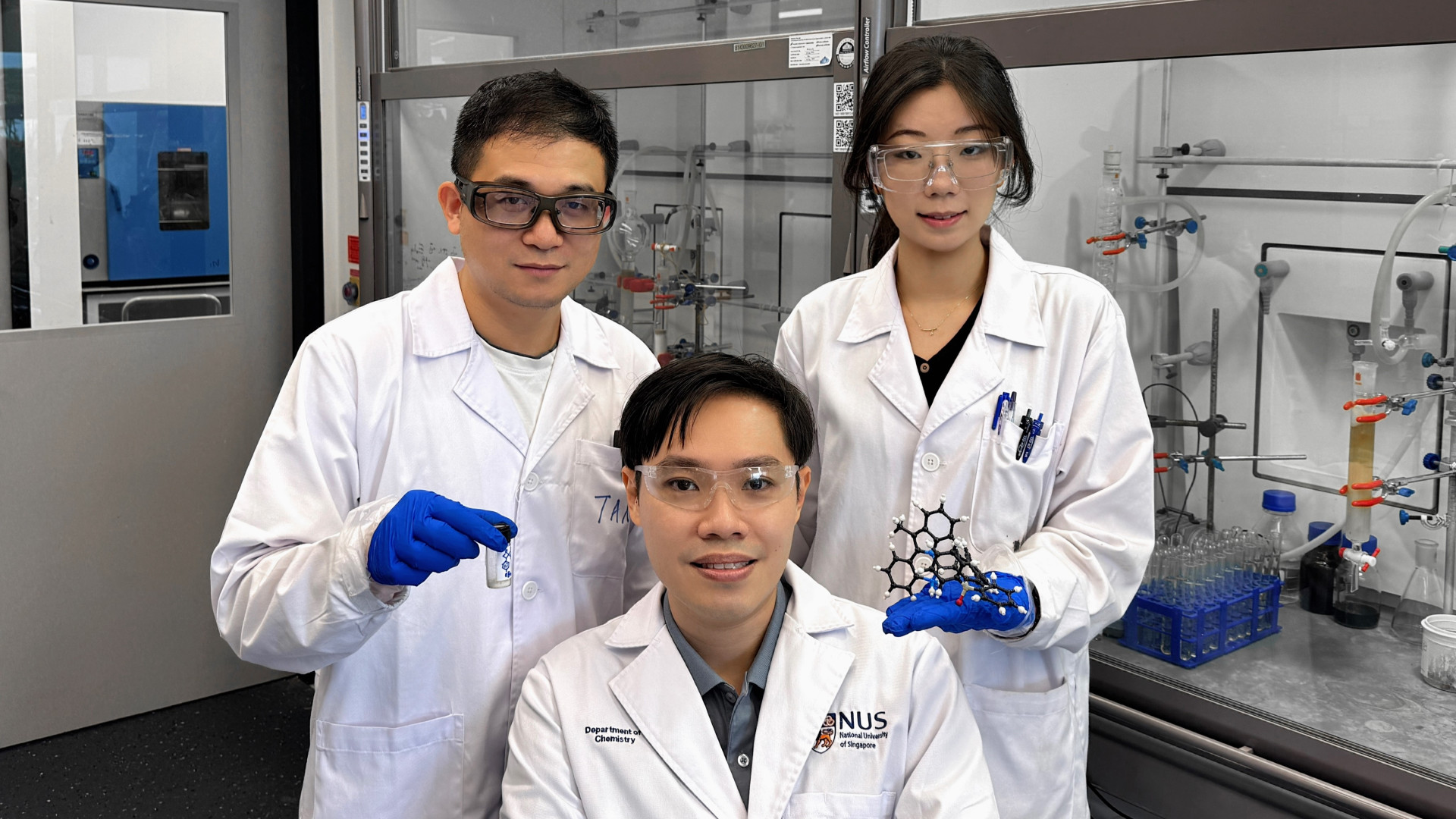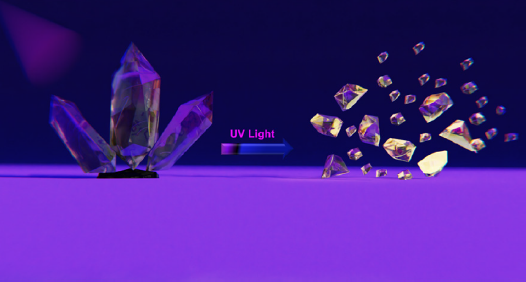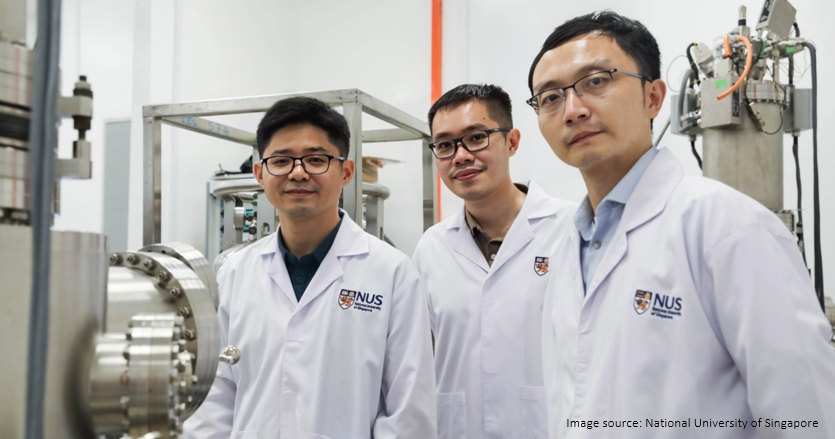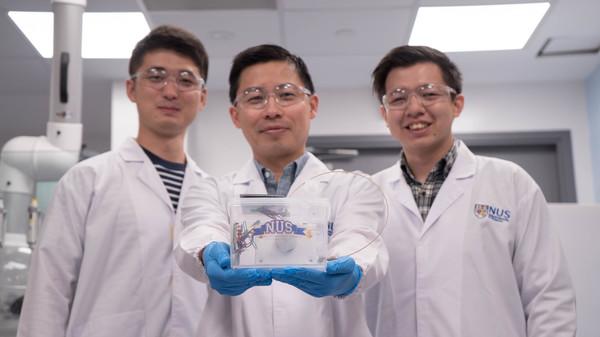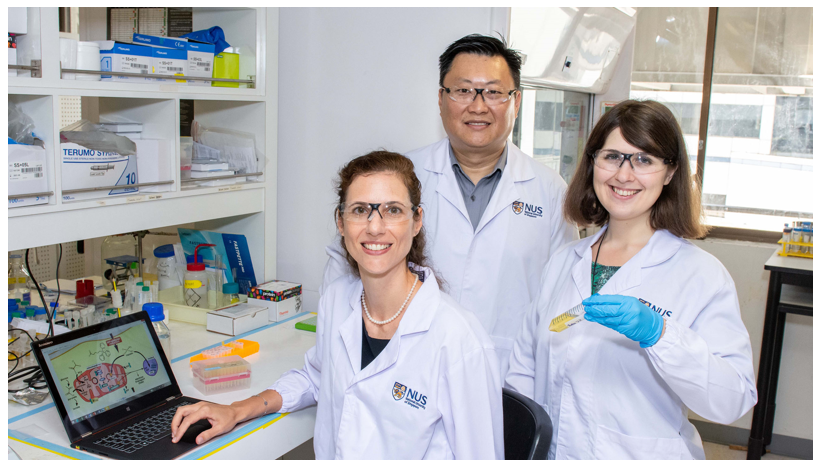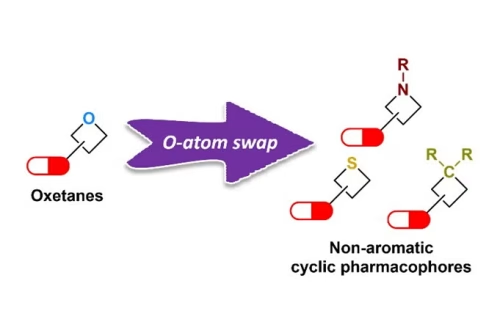
The research team was led by Associate Professor KOH Ming Joo from the NUS Department of Chemistry, together with Assistant Professor ZHANG Xinglong from The Chinese University of Hong Kong, Hong Kong, China have pioneered a photocatalytic atom-swapping transformation that converts oxetanes into a variety of four-membered saturated cyclic molecules, which are key scaffolds in medicinal chemistry. By introducing a new synthetic blueprint for these prized drug motifs, this discovery could potentially streamline the synthesis of pharmaceuticals and complex drug analogues that would otherwise require multi-step routes. The research breakthrough was published in the scientific journal Nature.
Non-aromatic (saturated) heterocycles and carbocycles form the skeleton of countless bioactive and functional molecules. Four-membered saturated cyclic molecules such as azetidines, thietanes and cyclobutanes are increasingly valued in drug discovery for their desirable physicochemical properties, such as potency, stability, metabolic stability and target specificity. However, the traditional retrosynthetic approaches typically deconstruct the ring into simpler starting materials that have to be prepared separately through numerous steps. This approach is often energy- and time-consuming and generates excessive waste, particularly in the assembly of complex drug molecules.
Assoc Prof Koh said, “The conventional way of constructing four-membered rings employs cycloaddition or nucleophilic substitution chemistries that limit the range of obtainable molecular scaffolds. There is an urgent need to design a new approach that not only simplifies the synthesis of small-ring pharmacophores but also unlocks uncharted regions of the chemical space.”
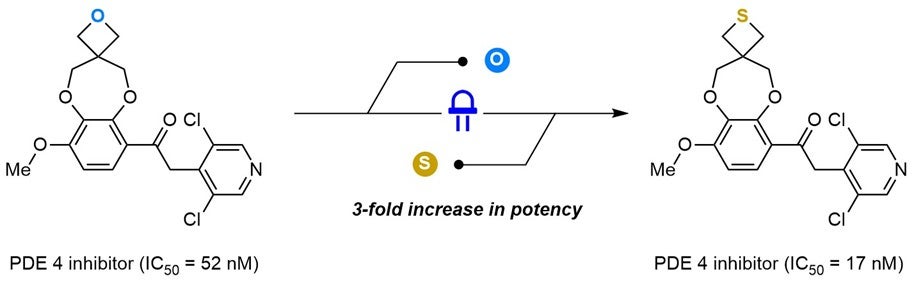
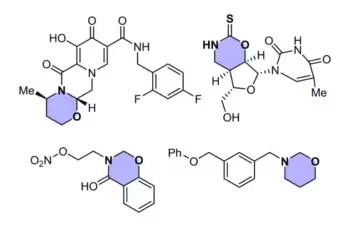
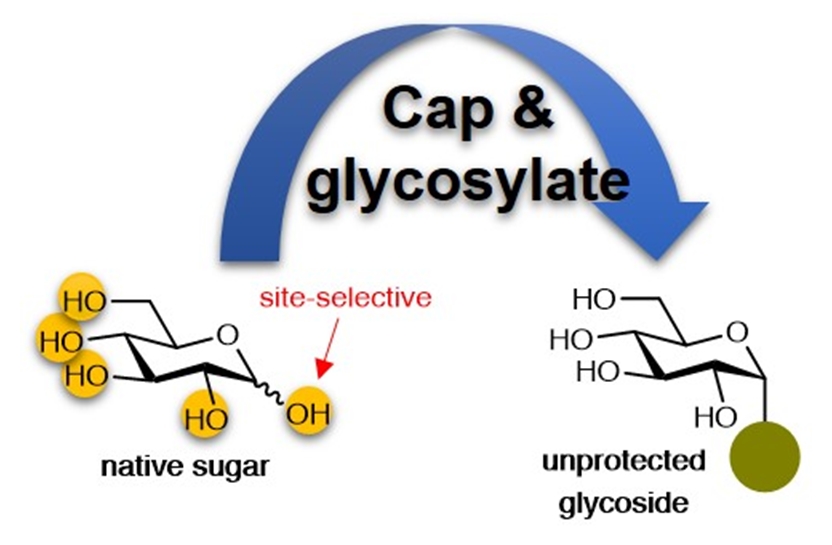
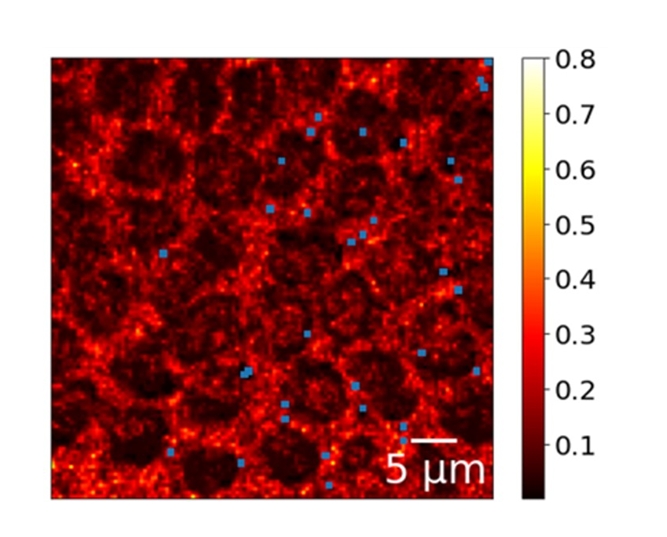
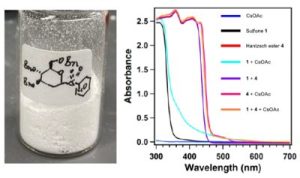
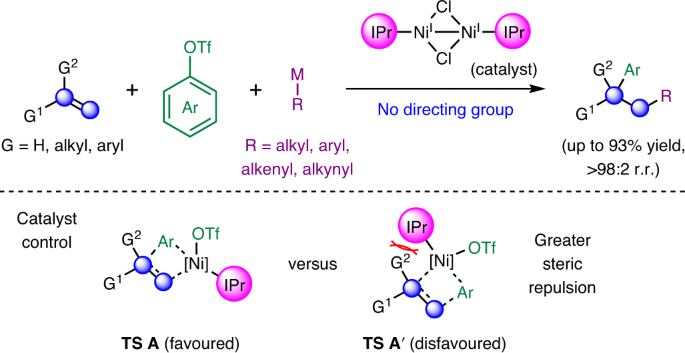
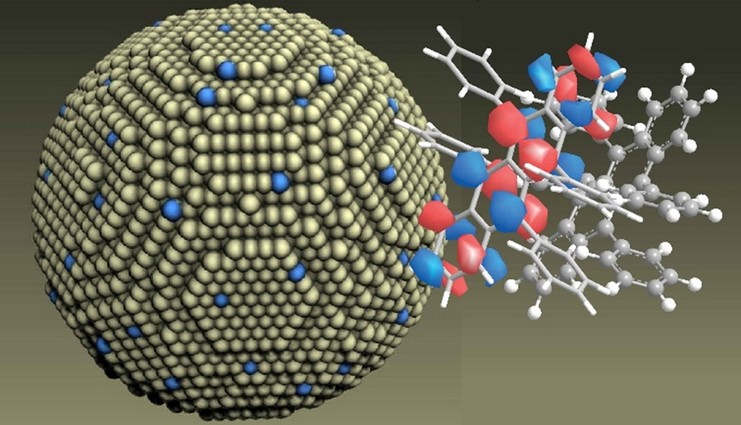
Direct editing of a bioactive oxetane using the oxygen-atom transmutation strategy provides rapid access to its sulfur analogue with improved potency. [Credit: Nature]
“Our atom-swapping manifold offers a convenient diversification platform to transform readily accessible oxetane feedstocks into different classes of high-value saturated cyclic compounds in one operation. This would empower chemists in their synthetic endeavours by providing new opportunities in making cyclic functional molecules for important applications such as drug discovery,” added Assoc Prof Koh. Read the full article here.