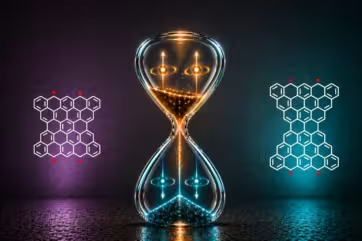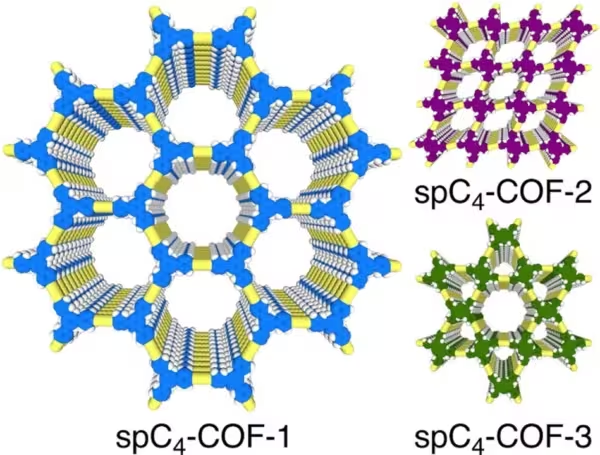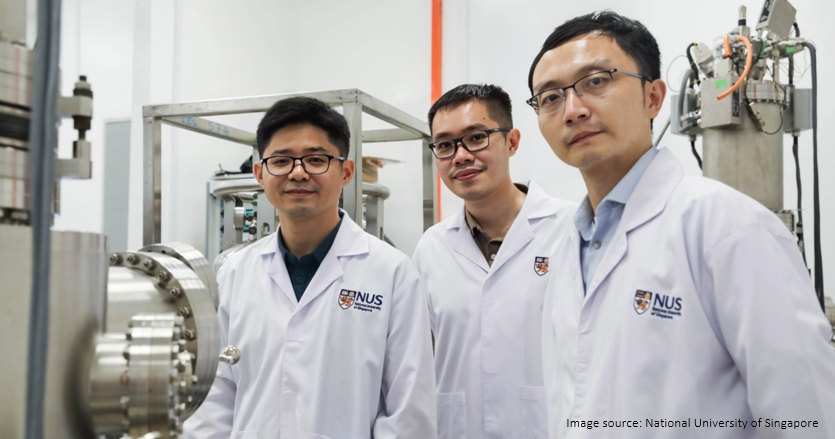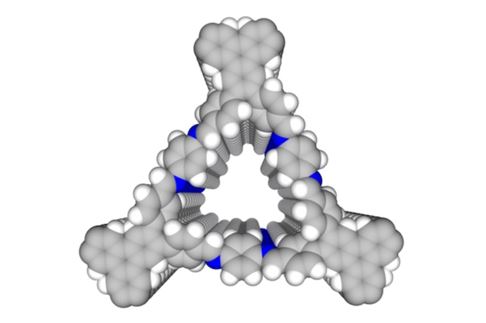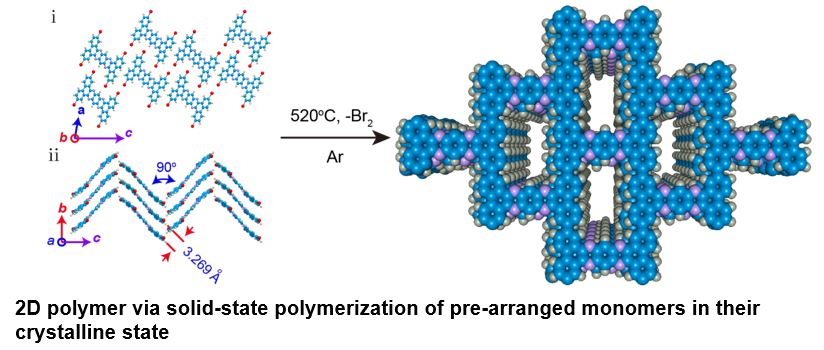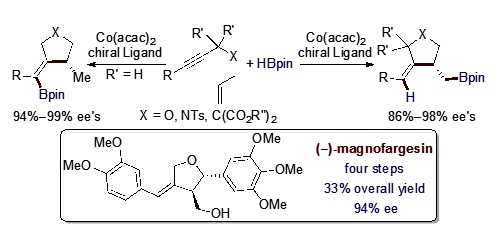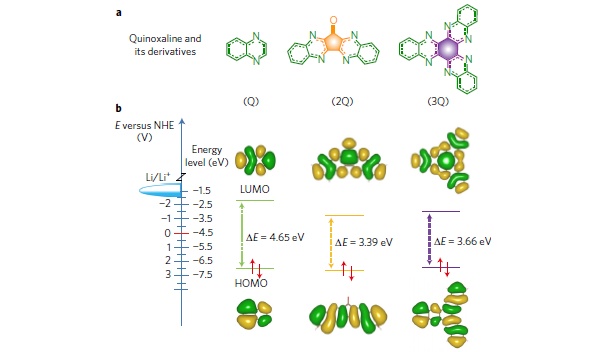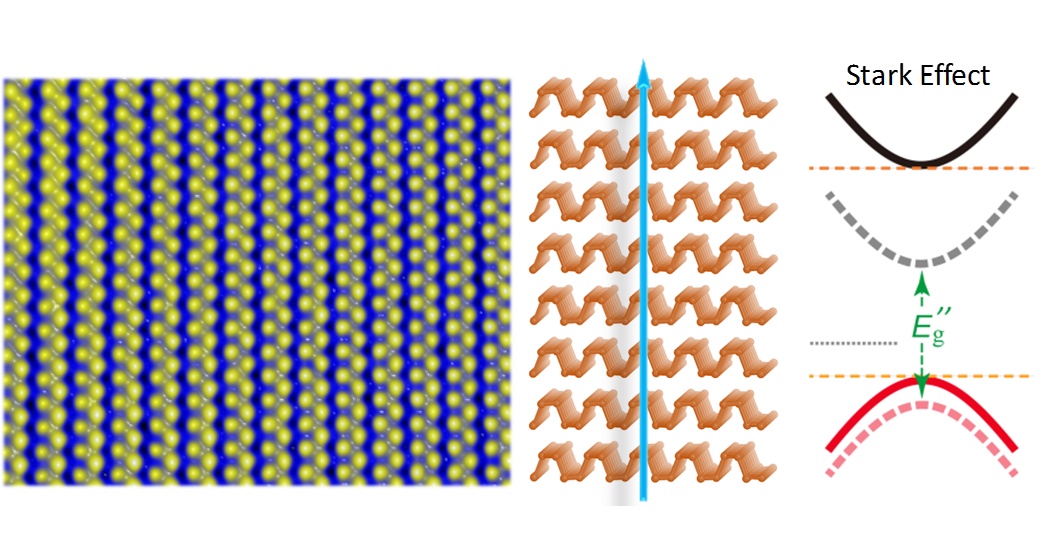
A research team led by Professor Donglin JIANG from the Department of Chemistry at NUS has developed a new class of covalent organic frameworks (COFs) that can simultaneously use both singlet and triplet excited states. These dual-channel COFs are designed with donor and acceptor units arranged in ordered columns, enhanced by precise hydrogen bonding for improved stability and performance under light exposure.
This breakthrough allows for highly efficient photocatalytic reactions powered by red and near-infrared light, which are regions often underutilised by existing catalysts. The metal-free nature of these materials makes them environmentally friendly and cost-effective, with potential uses in clean fuel production, pharmaceuticals, and green industrial processes.
Professor Jiang said, “This work opens a new avenue for sustainable photocatalysis. Our dual-channel COFs demonstrate that it is possible to harvest light more completely and efficiently using metal-free materials. We are excited to explore how far we can take this technology in real-world applications.”
The research team plans to tailor these COFs for use in large-scale applications, such as solar fuel generation and environmental remediation. By tuning their structure, the materials could be adapted for use in a wide variety of light-driven chemical processes.
The research findings have been published in the journal Nature Materials. Read the full article here.
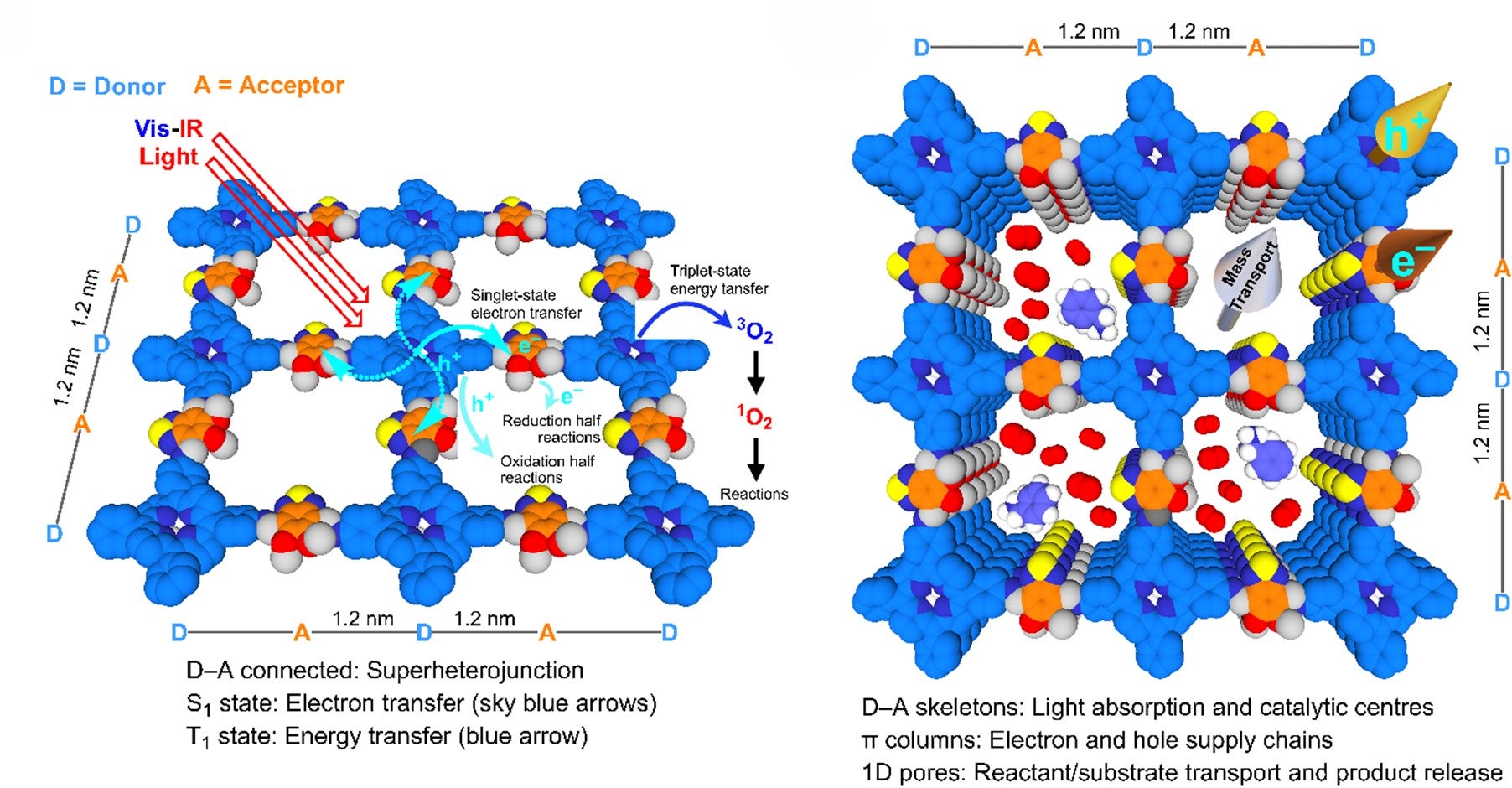
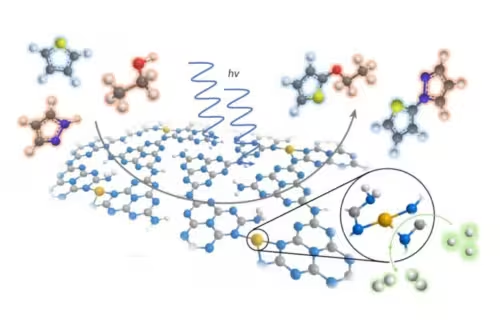
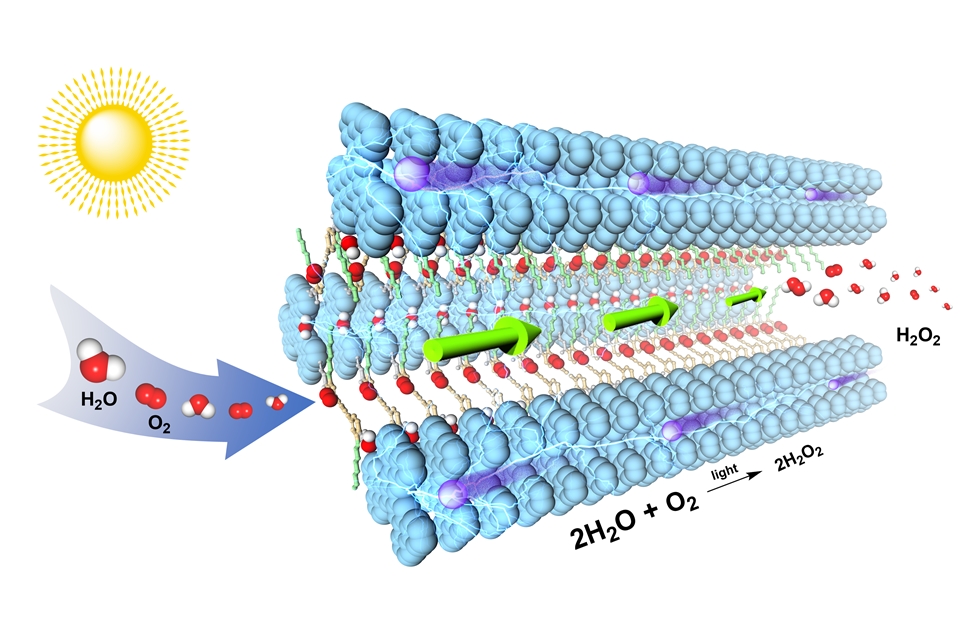
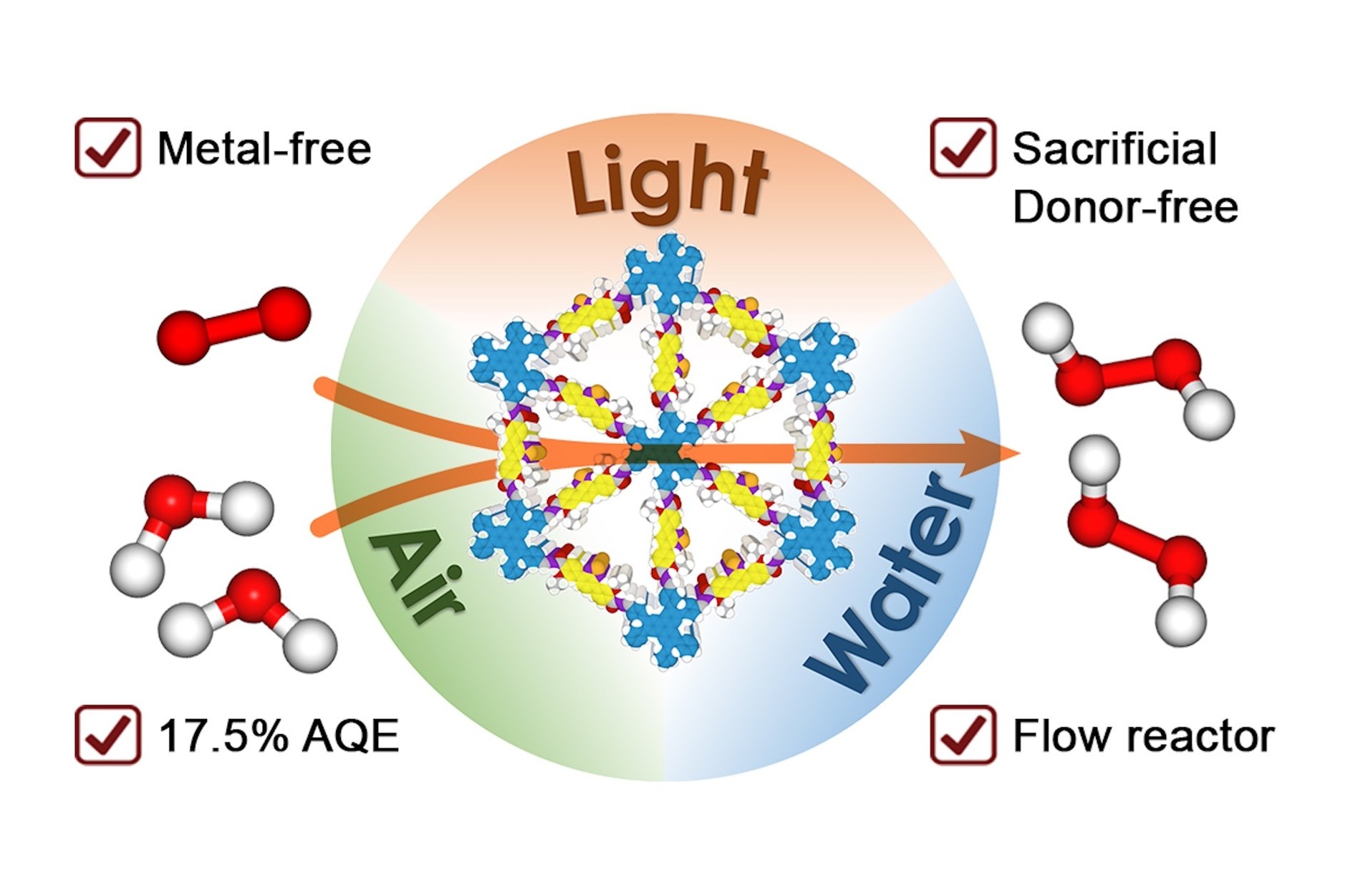
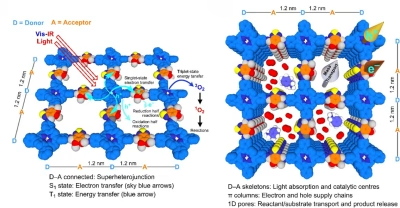
Illustration showing the function of the covalent organic framework (COF) material under sunlight. The blue (donor) and orange (acceptor) units absorb visible and infrared light, generating two types of excited states—singlet and triplet. Singlet states enable electron movement to drive chemical reactions, while triplet states transfer energy to produce useful products like clean fuel. The COF’s well-organised three-dimensional structure includes pores that allow quick transport of molecules, making the process fast, efficient, and entirely metal-free. [Credit: Nature Materials]