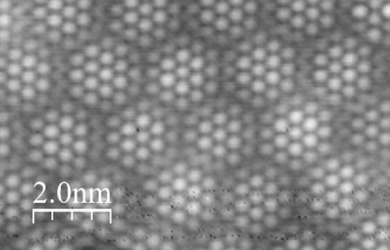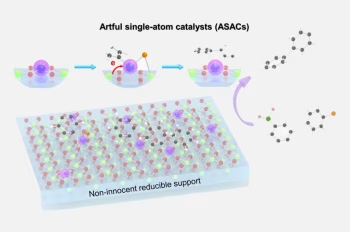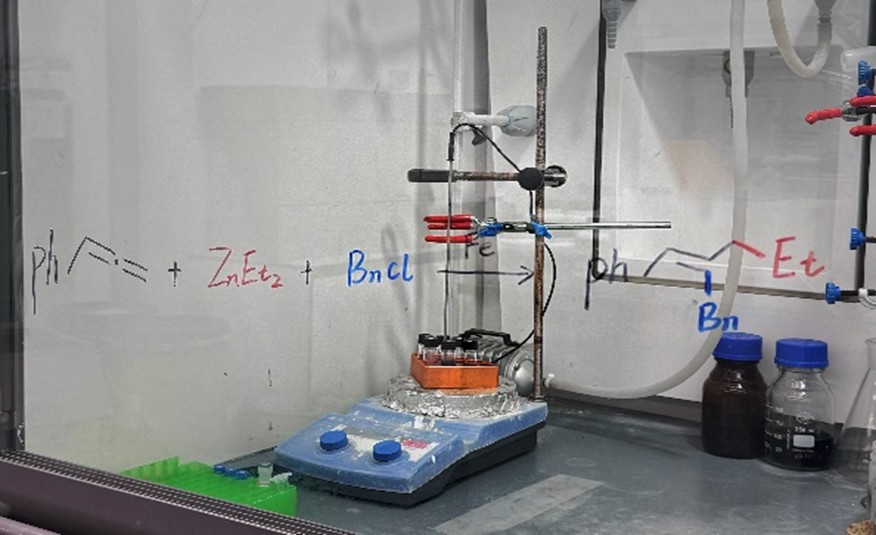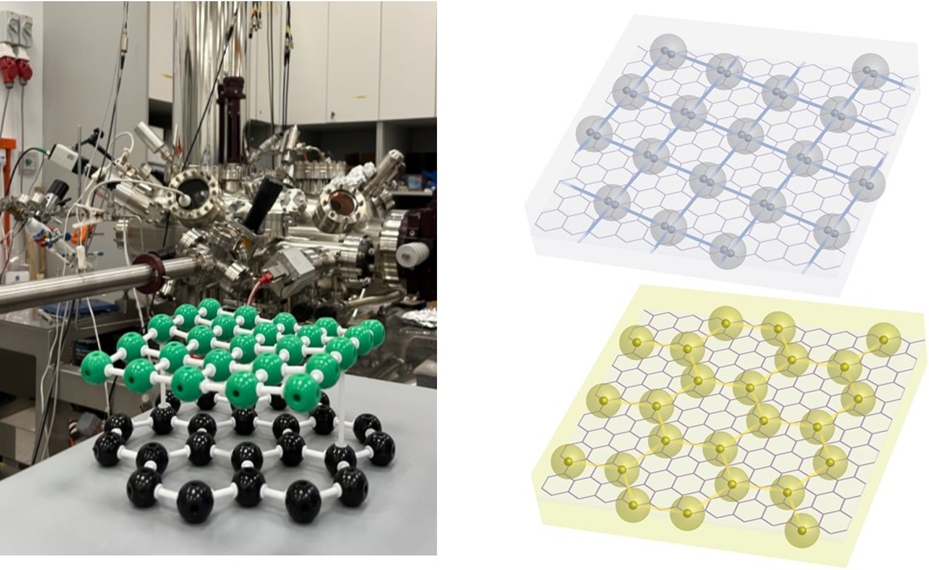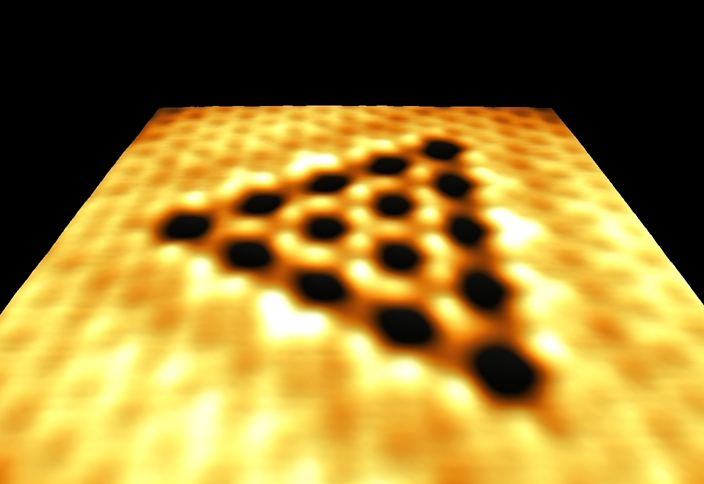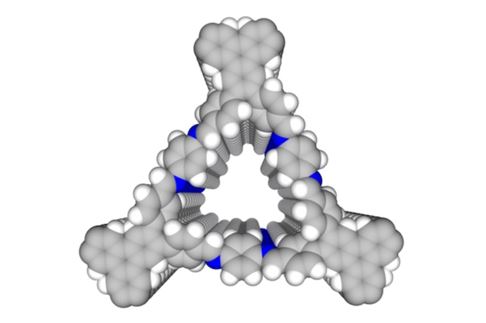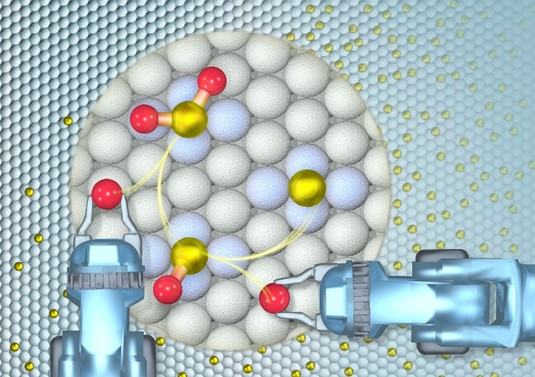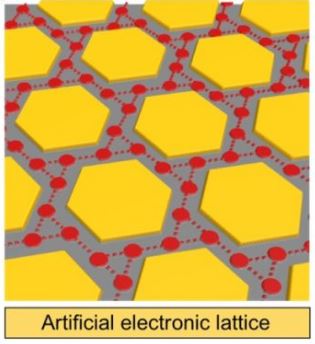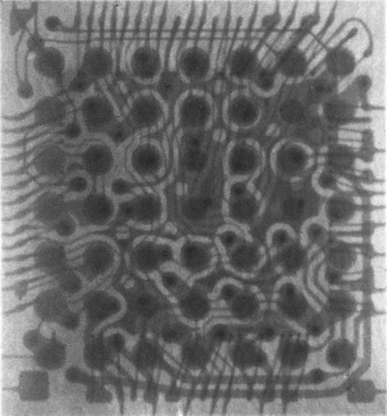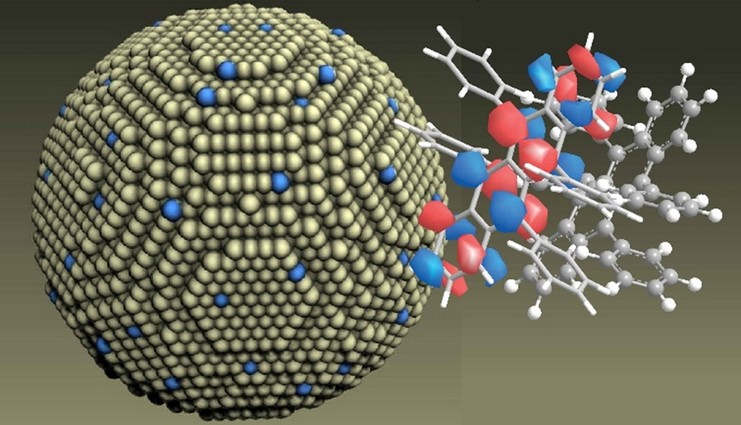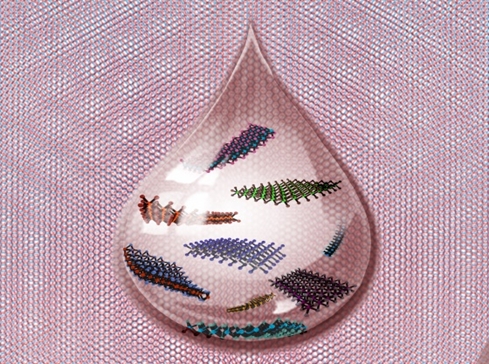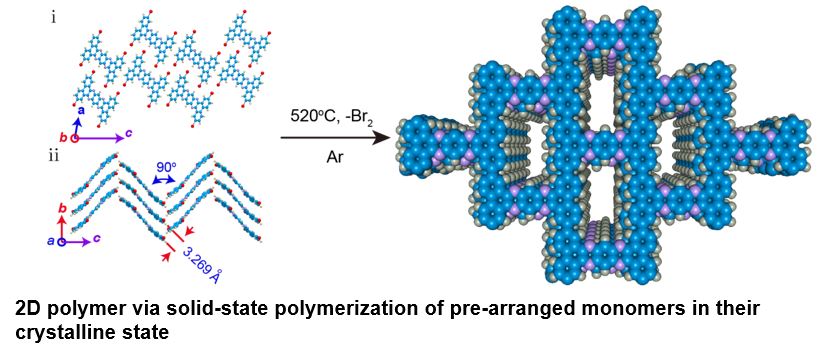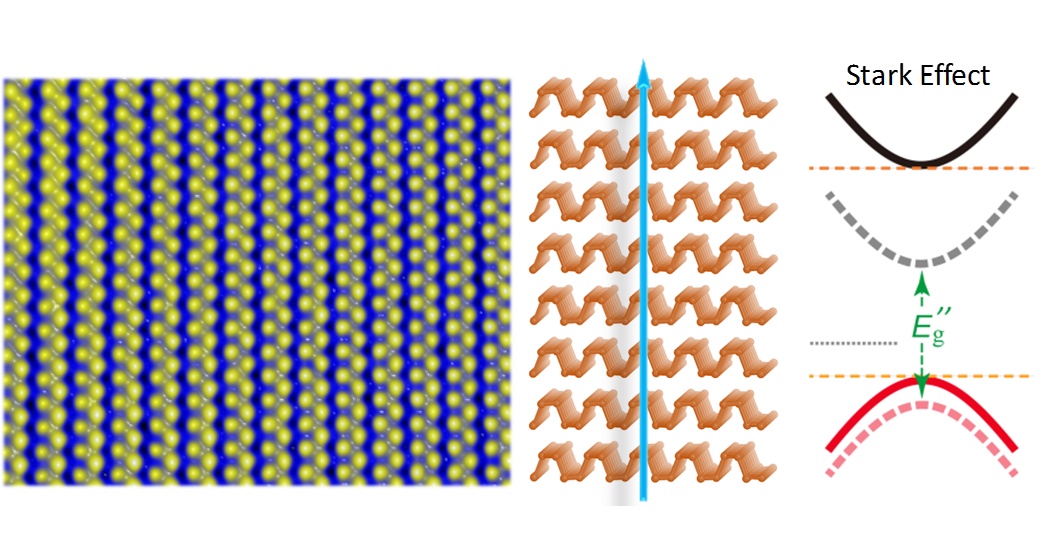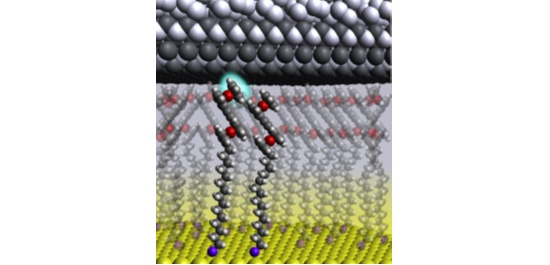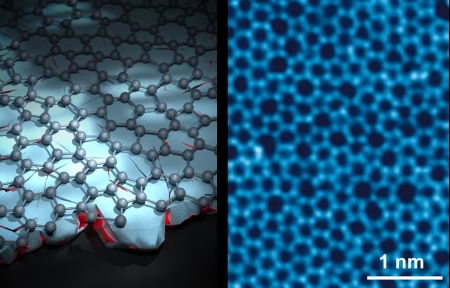
A schematic illustration for disorder-to-disorder synthesis (left) and an atomic-resolution scanning transmission electron microscopy image of UC-MAC (right).
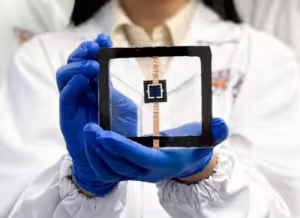
A research team led by Associate Professor LU Jiong from the NUS Department of Chemistry in collaboration with international partners have developed a groundbreaking carbon membrane that could revolutionise proton therapy for cancer patients, and advance technologies in medicine and other areas such as energy devices and flexible electronics.
The new carbon material which is just a single atom thick shows incredible promise in enabling high-precision proton beams. Such beams are key to safer and more accurate proton therapy for cancer treatment. The new material, called the ultra-clean monolayer amorphous carbon (UC-MAC), could outperform best in class materials like graphene or commercial carbon films. This achievement was made possible through close collaboration between synthetic chemists, materials scientists, and theoretical physicists, including Professor ZENG Xiao Cheng from City University of Hong Kong, Assistant Professor ZHAO Xiaoxu from Peking University, Associate Professor Thomas OSIPOWICZ from NUS Department of Physics, and other contributing authors. The research breakthrough was published in the scientific journal Nature Nanotechnology. “The semiconducting properties of UC-MAC films also make them promising candidates for ultra-thin electronics, particularly for sub-2 nm integrated circuits—a critical frontier in the post-Moore’s law era,” said Assoc Prof Lu. Read the full article here.
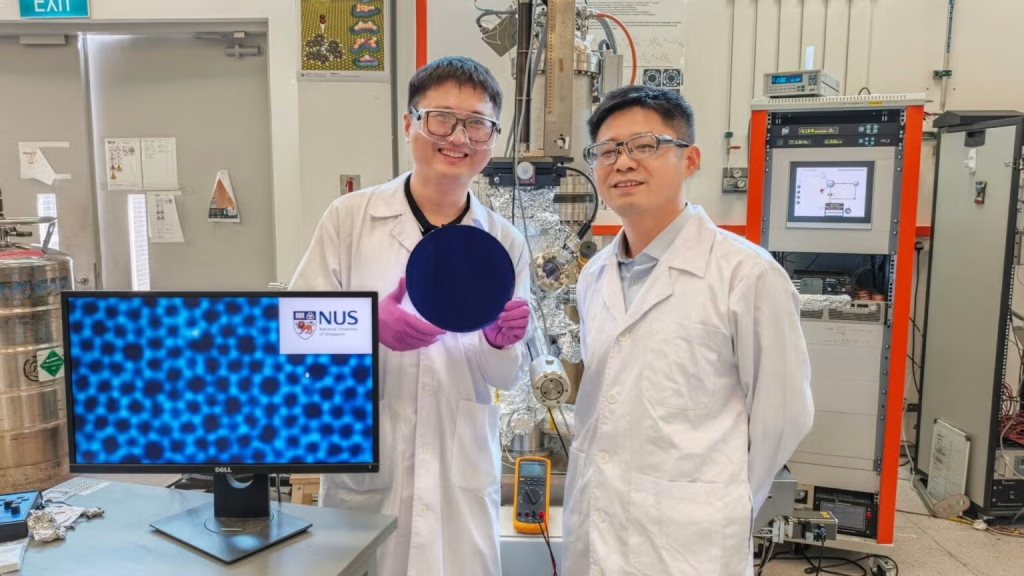
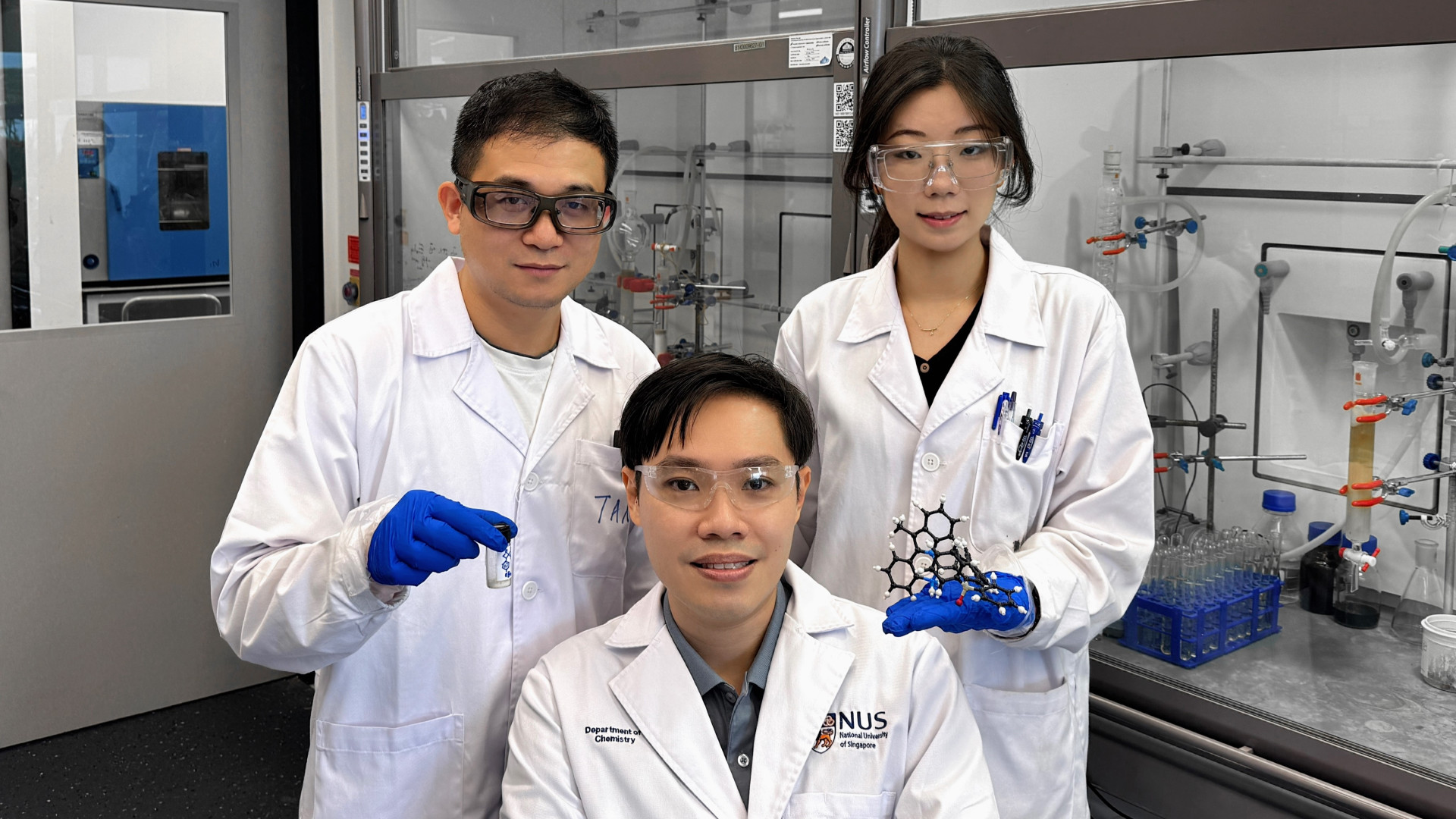
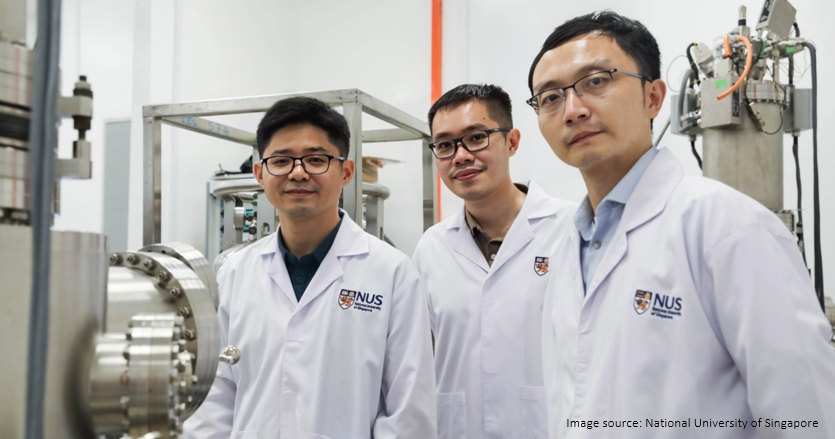
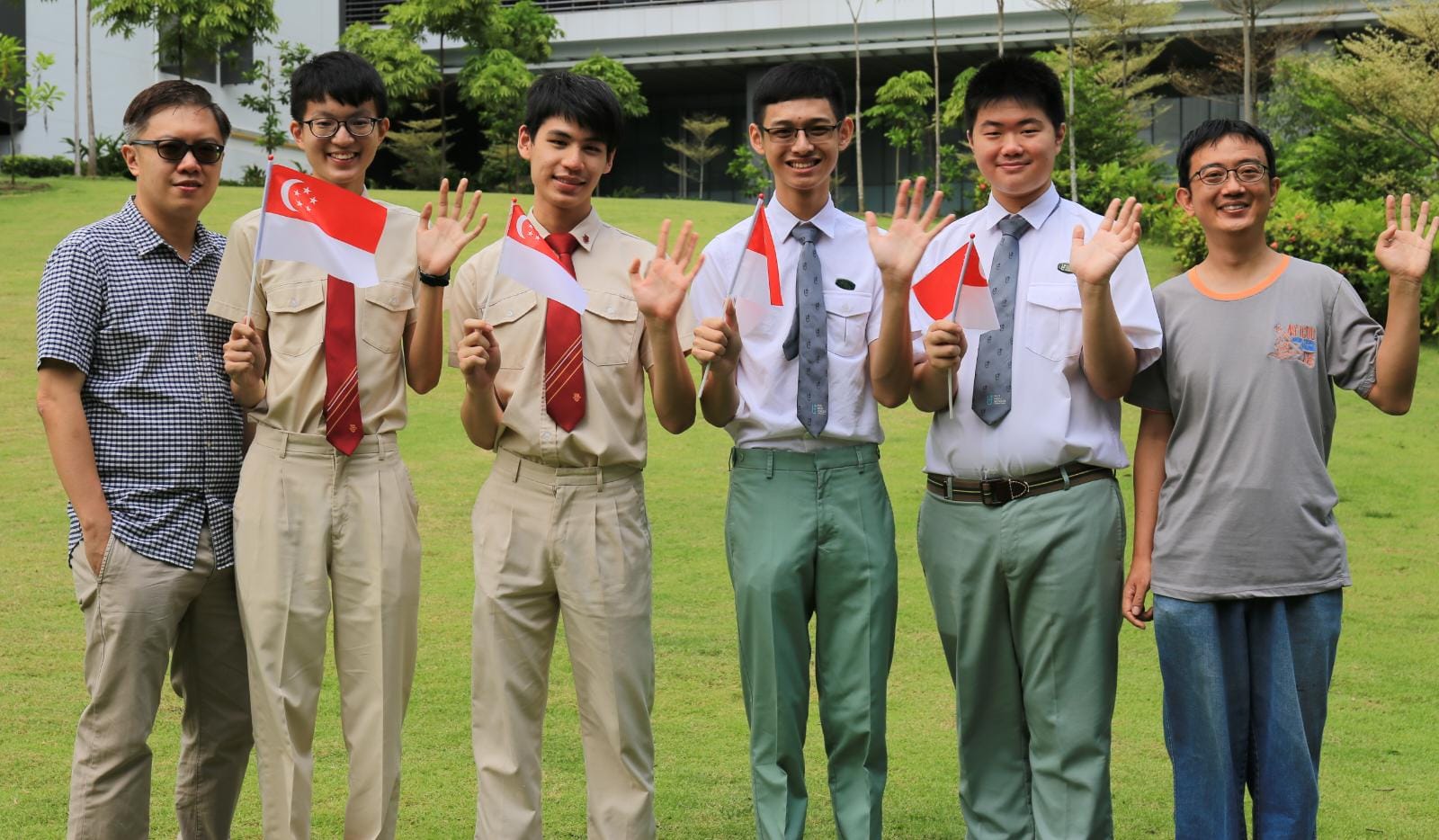
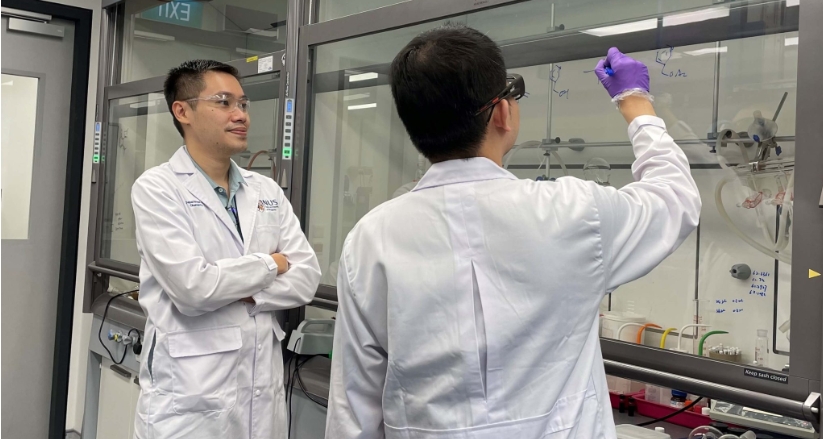
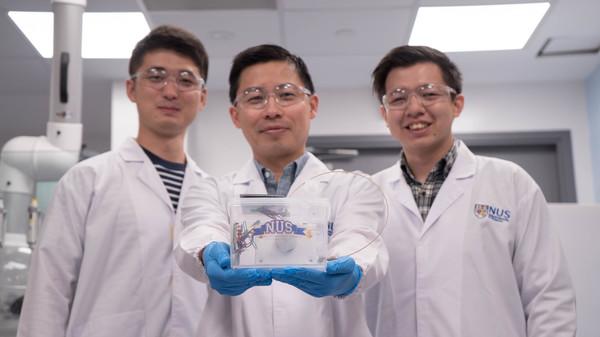
Lead first author Dr Lin Huihui (left) and lead corresponding author Assoc Prof Lu Jiong (right) with the UC-MAC material.